Get Full Government Meeting Transcripts, Videos, & Alerts Forever!
Get email alerts on the Family Support Lgbtq topic
No spam. Unsubscribe anytime.
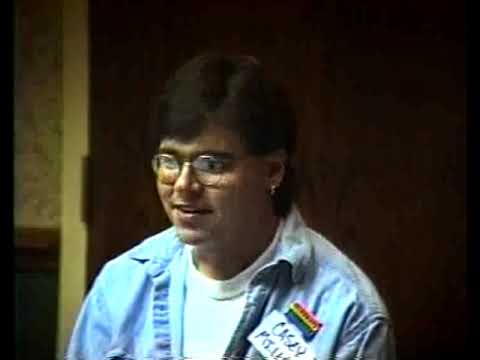
PFLAG panel in Missoula urges families to support LGBTQ+ relatives, recounts suicide attempts and community outreach
Summary
Parents, partners and young people at a Missoula PFLAG panel described coming-out experiences, rural outreach and resources; a young panelist recounted two suicide attempts before family acceptance.
Missoula — Parents, partners and young people who spoke on a PFLAG (Parents, Families and Friends of Lesbians and Gays) panel in Missoula described how families can respond when relatives come out, shared personal accounts of rejection and acceptance, and urged the public to use available resources for youth mental health.
The panel opened with Corky Smith, a PFLAG panelist and parent of a gay son, saying, “I have the pleasure of having 1 of my children be gay. I’m very, very fortunate.” That sentiment framed accounts from other panelists about family conflict, reconciliation and ongoing outreach in rural communities.
Casey Miller, a panelist from Billings, described his experience coming out and the crisis moments before his family learned his sexual orientation. “I tried to commit suicide twice,” Miller said, recounting attempts to drive his car off the rim outside Billings before deciding to return home and tell family members. He told the panel that after coming out he found support in a campus Lambda group and later co-founded a youth group in Billings to help others facing similar risks.
Hank Boland, regional director for PFLAG covering Idaho, Wyoming and Montana, described the organization’s outreach in the region and the importance of local chapters. “Idaho has no PFLAG organization,” Boland said; “Montana is doing so many wonderful things. Your youth group ... is important to share with people in other states.” Panelists said PFLAG Montana holds regular meetings in Billings, Great Falls and Kalispell and is “working on Missoula and Bozeman.”
Panelists emphasized rural challenges: limited local resources, social isolation and the need for discreet materials families can access. A sign-up sheet and printed materials were circulated during the session; organizers told attendees they loan books and publications to families who cannot easily obtain resources locally.
Speakers also described how meeting real people reduces prejudice. Chuck, a panelist who identified himself as a stepfather and spouse in the panel’s group, said bringing a name and face to the subject changed attitudes among co‑workers. “Once you put a name and a face to a person, it’s very difficult to be bigoted,” he said.
The panel read Dr. Seuss’s “The Sneetches” to illustrate exclusion and acceptance, and stressed practical steps families can take: listen, seek PFLAG materials, connect with youth groups, and allow individuals to come out at their own pace. Panelists repeatedly said the process of acceptance is gradual; Boland and others noted that parents and extended family members often take months or years to adjust.
Organizers urged people to reach out over the holidays, when many families report coming-out conversations, and to use PFLAG contacts for support. The session closed with an invitation to sign up for further contacts and to borrow written resources from the panelists.
The meeting contained no formal motions or votes; its purpose was outreach, testimony and resource-sharing.