Get Full Government Meeting Transcripts, Videos, & Alerts Forever!
Get email alerts on the Public Health Nutrition topic
No spam. Unsubscribe anytime.
Missoula presenters outline prevention strategies: diet, exercise, chiropractic and mind-body practices
Summary
At a public presentation in Missoula, a chiropractor and a nutritionist urged small, sustainable lifestyle changes to reduce diet-related illness, offering specific dietary and exercise targets and describing complementary therapies such as chiropractic, acupuncture and meditation.
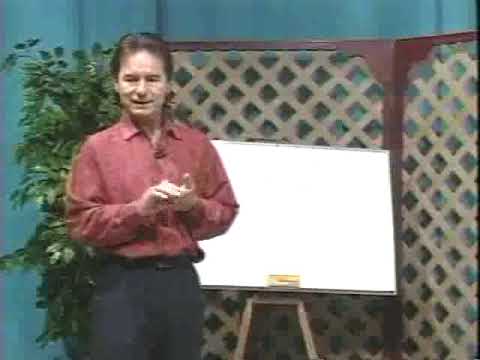
Dr. Jim Hellman, a chiropractor in Missoula, and Patricia Skergan, a nutritionist, gave a public presentation in Missoula on prevention through lifestyle changes, emphasizing diet, regular exercise, counseling and mind-body practices.
The presenters said prevention matters because many chronic illnesses are linked to diet and lifestyle. Skergan cited the 1974 U.S. Senate Select Committee on Nutrition and Human Needs dietary goals as a benchmark and said Americans still exceed recommended fat and sugar intake. "At the turn of the century, the average person was taking in about 5 pounds of sugar per year. Today, the average American is taking in 20 pounds of sugar per year," Skergan said.
Hellman framed prevention as counseling plus action: he differentiated "healing" as a process from "curing" as an event, and said counseling that leads to personal behavior change is preventive. He recommended regular physical activity and said, "in terms of exercising for health, one ought to exercise... five times a week for a half hour a day, at least," to maintain cardiovascular fitness and reduce stress.
On diet, Skergan reviewed historical and recommended macronutrient targets discussed by the 1974 Senate committee and repeated during the talk: historically Americans were obtaining roughly 42 percent of calories from fat (about 16 percent saturated fat) and 46 percent from carbohydrates; the committee recommended moving toward roughly 30 percent of calories from fat (about 10 percent saturated fat), higher complex-carbohydrate intake and reduced simple sugars to about 15 percent of calories. "They really wanted to switch us around so that we would have less processed food, more fresh fruits, more fresh vegetables, more whole grains, less salt, less fat, less cholesterol, less sugar and foods that contain sugar, and less meat," Skergan said.
Skergan urged practical, incremental changes: prepare homemade lunches instead of relying on fast food, try one new low-fat vegetarian recipe a week and "sneak" healthier ingredients into family meals. She used a physical demonstration to show the burden of excess weight, saying five pounds of fat is tangible and visible and describing how extra weight increases daily metabolic load.
Hellman described several complementary and preventive therapies, including regular chiropractic care, which he said can help maintain joint mobility and may "boost immune competence" based on emerging studies he referenced. He also listed homeopathy, massage and acupuncture as preventive techniques he values. On mind-body approaches, the presenters cited research on spontaneous remission and visualization. Skergan recommended studying people who recover unexpectedly and referenced work by Deepak Chopra, saying the body has an "innate intelligence" that can support healing.
Both presenters recommended counseling as part of prevention: Hellman said a clinician or adviser who provides actionable lifestyle counseling can make screening tests also function as preventive care. They also encouraged attendees to read labels, shop at whole-foods markets and accept that early mistakes in changing diet are common.
The presentation was informational only; no formal actions or policy decisions were taken. Attendees were urged to adopt small, practical changes rather than all-or-nothing shifts.