Get Full Government Meeting Transcripts, Videos, & Alerts Forever!
Get email alerts on the Public Safety topic
No spam. Unsubscribe anytime.
Narberth committee reviews AED placement, leans toward shared indoor access and signage
Summary
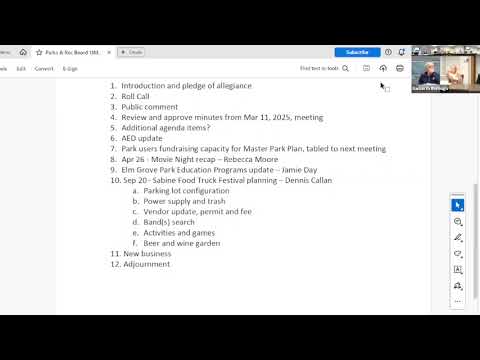
Committee members discussed whether to keep an automated external defibrillator outdoors at Elm Grove Park or rely on existing devices held by public works, police and the ambulance service; consensus favored an indoor, signposted checkout system plus training rather than a permanent outdoor unit.
Members of the Narberth Parks & Recreation Committee discussed placement and maintenance of an automated external defibrillator (AED) during their meeting, weighing whether to keep a unit outdoors at the park or rely on units already kept by borough departments and nearby emergency services.
The discussion mattered because of questions about battery life, exposure to weather and whether an outdoor device provides a measurable benefit given quick ambulance response times. Committee members noted existing coverage: an AED is carried in the public works vehicle, the fire company has one, police have one, and one unit is kept inside the borough building.
Committee members said batteries and environmental exposure could shorten device life if left outdoors and raised the option of a signposted, indoor checkout system that community groups or sports teams could use for weekend events. Committee members also recommended basic user training for coaches or volunteers if the unit is made available for sign-out.
The committee did not adopt a formal ordinance or policy at the meeting. Instead the discussion produced informal direction: pursue a signout/rental approach (keeping the AED indoors when not signed out), post clear signage that an AED is available in the building, and ensure training opportunities for likely users. No vote or expenditure was approved at the meeting.
Committee members asked staff to confirm locations of existing units, verify whether the building AED is easily accessible during events, and explore signage or small publicity so park users know where to go in an emergency. The staff follow-up will also include confirming who would manage a checkout process and whether liability or storage requirements apply.
Members emphasized that the strategy was a pragmatic response to overlapping coverage rather than a technical determination about response times. Any change that would move or permanently install an outdoor AED would require further staff follow-up and a formal recommendation returned to the committee.