Get Full Government Meeting Transcripts, Videos, & Alerts Forever!
Get email alerts on the Housing Development topic
No spam. Unsubscribe anytime.
Neighbors urge delay of Sheaf/Heath/Hammond 40B permit over contamination and drainage concerns
Summary
Residents told the Brookline Select Board they are worried a proposed six‑story 40B project at Sheaf/Heath/Hammond Streets could cause cellar flooding and disturb a longtime dry‑cleaning site where perchloroethylene was used. Neighbors urged the town and ZBA to require an environmental site assessment before a comprehensive permit is issued.
Residents near the proposed Sheaf/Heath/Hammond Street 40B development told the Town of Brookline Select Board they want environmental and drainage questions answered before the project’s comprehensive permit moves forward.
Multiple neighbors said the proposed six‑story building with an underground garage would place stormwater infrastructure and a garage entrance too close to adjacent houses and urged the town or Zoning Board of Appeals to require a full environmental site assessment before issuing a comprehensive permit.
The concern first voiced by Kathleen Burton, owner of 22 Sheaf Street, focused on how the developer’s proposed drainage system and driveway would sit adjacent to older homes. “It’s a 6 story building with an underground parking garage,” Burton said, and she told the board that the developer seeks a variance to move a drainage system from the regulation’s 10 feet from the property line to 5 feet, which Burton said could cause her stone‑and‑cement basement to flood more frequently. She also said the developer wants the garage entrance 16 feet from the property line, under a 20‑foot requirement, and that a proposed parking set‑aside would eliminate on‑street spaces in front of her house.
Janice Khan, a town meeting member from Precinct 15, said the site includes long‑standing commercial uses that raise contamination concerns. “The dry cleaners has been at 621 Hammond Street for over 60 years, and the dry cleaner for the vast majority of those years used solvents such as perchloroethylene, PERC,” Khan said, adding that the developer’s Phase 1 and 2 environmental assessments excluded the dry‑cleaner parcel despite the developer having control of that site. Khan told the board that the developer has resisted conducting a full environmental assessment before obtaining the comprehensive permit and urged town officials to press for further analysis.
Nina Crowley, owner of 557 Heath Street immediately adjacent to the project site, said ZBA draft conditions place the environmental‑study requirement on the building permit rather than requiring the study before the comprehensive permit is issued. “With this highly potential, highly polluted land, neighborhood have a right to know what’s the pollution level is. Is that suitable for residential building? And this has to be known before comprehensive permit to be issued,” Crowley said.
Residents said they had secured an independent geotechnical consultant who recommended moving the proposed stormwater system away from neighboring foundations. They said the developer has sufficient land to relocate drainage features but is seeking variances that would place them closer to existing houses and reduce street parking.
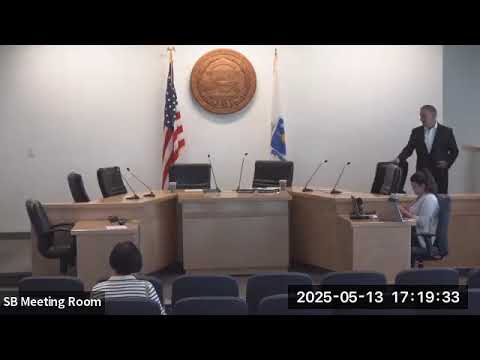
Select Board members did not take a formal vote on the project during the public‑comment period. Chair Bernard Green said the board would follow up with staff. After public comment closed, Green said the board would coordinate with staff and the ZBA to “make sure that things are done properly” and indicated staff would follow up with neighbors and developers.
Why this matters: neighbors’ requests raise two distinct process and public‑health questions — whether the ZBA or state 40B process should require an environmental site assessment before a comprehensive permit is issued, and whether proposed variances for drainage and garage access create unacceptable risk to adjacent older homes. Neighbors warned that issuing the permit before those studies are done could remove public oversight during construction and demolition, when disturbance of contaminated soils could create exposure risks.
What remains unresolved: the filing and timing of a complete environmental site assessment for the dry‑cleaner parcel (identified in public comment as 621 Hammond Street), the outcome of variance requests for the drainage system and garage entrance (10 feet vs. proposed 5 feet for drainage; 20 feet vs. proposed 16 feet for the garage entrance), and whether the ZBA or a state reviewer will require additional conditions before issuing permits.
The Select Board meeting packet shows the project applied for state 40B review and submitted an initial applicant checklist to the Massachusetts Housing Partnership; residents said the environmental‑assessment box was not checked in the materials they reviewed. Neighbors asked town officials to delay any final approvals until tests and mitigation plans are completed and made public.