Get Full Government Meeting Transcripts, Videos, & Alerts Forever!
Get email alerts on the Special Education Cuts topic
No spam. Unsubscribe anytime.
Beverly public commenters say FY26 budget cuts to special education and paraprofessionals will harm students
Summary
Dozens of teachers, paraprofessionals and parents urged the Beverly School Committee to restore special-education and preschool paraprofessional positions in the proposed FY26 budget, saying cuts would increase caseloads, threaten safety and risk noncompliance with federal special-education protections.
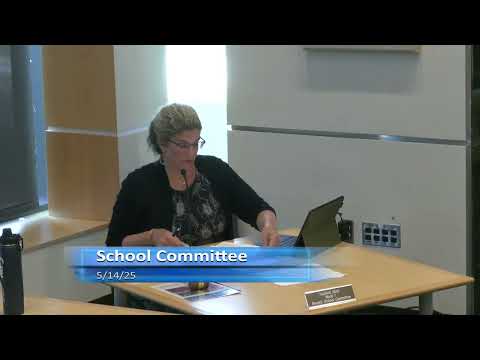
Beverly — Dozens of teachers, paraprofessionals, parents and other staff told the Beverly School Committee on May 14 that proposed reductions to special-education positions and paraprofessional staffing in the FY26 draft budget would damage services for students with disabilities and create safety risks in preschool and kindergarten classrooms.
The public hearing on the proposed FY26 school budget drew more than two dozen in-person speakers and dozens of written comments. Sarah Vozzo, a district speech-language pathologist, said the proposed elimination of a special-education teacher at Hannah Elementary “is not just a staffing adjustment. It's a reduction in core instructional services for students who rely on specialized instruction to make meaningful progress.”
The budget presentation by district staff said the FY26 appropriated budget would be $85,372,614 — a 9.08% increase over FY25 — with the district requesting a city contribution of $69,698,119. Superintendent remarks and slides noted that 83% of the appropriated budget is wages and benefits and that additional revenue is limited by Proposition 2½.
Why it matters: commenters and union representatives said the proposed reductions would be concentrated in student-facing roles that directly support learning, behavior and safety. Cassie Ruel, a social worker and parent, warned that cutting paraprofessionals at McEwen would “put [my son] at real risk of serious injury” because he needs a trained, dedicated staff member for vision and mobility support. Judy Martin, a preschool paraprofessional, described a proposed change that would reduce 22 preschool paraprofessional positions to 16 and said the shift “is unsafe” and will “hurt our youngest learners.”
Teachers and parents gave specific examples of workload and service impacts. Sarah Vozzo said Hannah’s three special-education teachers did about 107 meetings and 58 evaluations this year and that those duties added up to “319 hours of testing and report writing.” Paul Drake, a paraprofessional, described intervening during a severe behavioral incident because a second adult was present, saying “we are in a class for one student, two students. But all the students in that classroom benefit because all of those students have needs.”
Union and staff concerns: Dan McGloin, chair of the Beverly Teachers Association special-education committee and a learning-center teacher, said the committee circulated a petition signed by nearly 500 direct-service educators demanding the committee reject the proposed cuts. He identified proposed eliminations that include five preschool paraprofessionals and special-education teacher reductions at both the middle and high schools and warned that incomplete disclosure about the scope of cuts has increased staff alarm.
Student-success and therapeutic programs also at risk: Sam Allison, a social-studies teacher in the Beverly High School student-success program, said he was informed his position will be cut and warned that the program “literally changes lives,” adding that losing a teacher will force costly outplacements or diminish services and likely cost more than saving a single salary. Olivia Wilson, a middle-school special-education teacher in the district’s therapeutic Student Success Program (SSP), said cuts last year and this year left her middle-school team under-resourced and that “without proper staffing, this program becomes dangerous.”
Compliance and substitute coverage: Several speakers described chronic absences and substitute shortages. Jana Dwyer, a Beverly Middle School counselor, said data collected at BMS showed that across 154 school days this year paraprofessionals were pulled from their roles to cover classes 767 times and were absent without a substitute on 367 occasions, leaving an average of 8.3 unfilled special-education roles each day. She said missed supports are not recovered and amount to significant lost instructional hours.
District response and process: District leadership told the committee the FY26 budget was built with multi-year considerations, including step-downs from ESSER and other one-time funds. The superintendent said principals and department heads participated in building the budget and that some staffing adjustments were tied to retirements or natural attrition. The superintendent and committee members agreed to continue the budget discussion at a follow-up meeting and asked administration to return with clarifying data and options.
What’s next: School Committee members scheduled additional discussion before a final vote and asked administration to provide answers to specific questions raised during the hearing, including staffing analyses, the projected classroom caseloads and the timeline for reassignments. Committee members emphasized the need for time to digest testimony and for administrators to provide data-driven alternatives.
Ending: Public commenters urged the committee to restore positions and to center the budget on student needs rather than short-term savings. Dan McGloin told the committee: “On behalf of the nearly 500 educators who have signed this petition, we are calling on you, the school committee, to reject these proposed cuts and to act without delay to address the concerns raised.”