Get Full Government Meeting Transcripts, Videos, & Alerts Forever!
Get email alerts on the Student Belonging topic
No spam. Unsubscribe anytime.
Students tell Mercer Island board they want clearer responses to hateful language, better newcomer supports
Summary
At the Superintendent—s Student Advisory meeting, students described rising use of slurs and called for refreshed SEL instruction, bystander education and stronger newcomer onboarding across elementary through high school.
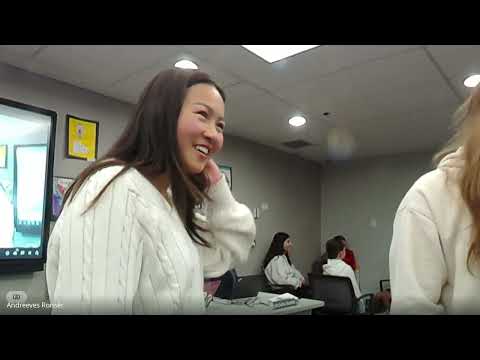
Students from Mercer Island schools told the School Board during a Superintendent—s Student Advisory meeting that they have noticed an increase in hateful language and that new students sometimes struggle to integrate.
"We talked about how the younger couches are impacting all the schools and their pros and cons and how we enforce the policy," said a student reporting from a small group, who also raised concerns about "bad language and slurs" heard at every school level. Students asked for lessons that move beyond repeated exhortations to "be respectful" and instead teach how to be "an upstander" — what to do when they hear hate speech.
Board members and staff heard students describe specific initiatives aimed at promoting belonging: fifth-grade legacy projects to support transitions, middle- and high-school traditions and proposed involvement of academic advisors to make course pathways clearer for new students. Students urged that information about transitions into sixth grade arrive before summer to reduce summer uncertainty.
Several groups also urged more social-emotional learning focused on cultural competency and on practical bystander responses. "We talked a bit about the need for maybe some more social emotional learning, specifically around this sort of increase in the hate speech that we're seeing," one student said.
Students raised questions about counseling and follow-through. Romy asked whether counselors listen and act on student concerns and said sometimes students feel counselors only listen and do not take action. The district responded that youth and family services counselors work in partnership with the city and that counselors may be working behind the scenes with teachers to address issues. "If you're not sure that something's being followed through, talking to your teacher to help with that in bridging with your counselor" was the district—s guidance.
Board members urged students to continue reporting incidents and to use formal channels so administrators can act. "Don't ever suffer in silence," Deborah Lurie, a board member, told students. Several board members emphasized that student input is central to board decisions and thanked students for attending.
No new district policy or disciplinary rule was adopted at the meeting; administrators said they will continue to consider student recommendations and existing programs, including orientation and SEL efforts, as part of ongoing work.