Get Full Government Meeting Transcripts, Videos, & Alerts Forever!
Get email alerts on the Student Devices topic
No spam. Unsubscribe anytime.
Mercer Island students, board and staff debate device policy, ask for clearer tech support
Summary
High school students pressed district staff and board members about a new personal-device policy and laptop performance during the Superintendent—s Student Advisory meeting, seeking clearer implementation, enforcement and tech support for courses that use demanding software.
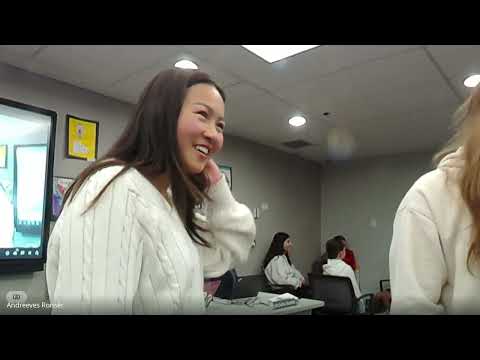
Students at a Mercer Island School District Superintendent—s Student Advisory meeting on May 29 asked district leaders to clarify a recent change in the high school personal-device policy and to address problems with school-issued laptops.
The discussion focused on why the district adjusted its phone policy and how the district—s one-to-one laptop program will support classes that use resource-heavy software. "We're now in our second year of our one-to-one laptop program," said Andreas, a district operations staff member, describing ongoing surveys of staff, students and families and the district—s intent to use feedback from the pilot years to guide device replacement and classroom support. "The idea with it is to minimize some of those classroom distractions and help encourage engagement in the learning that's happening in our schools."
Students said they had mixed reactions to the phone-pouch enforcement at the high school. Kellen, a freshman, said he originally felt "a bit angry" about restrictions but later appreciated fewer in-class distractions. Several students, including Joy, a junior, said the pouches reduced off-task behavior and increased use of free class time for work. Students also raised instances where teachers allowed phones back into class later in the year, which some described as uneven enforcement.
Students and board members pressed the district on technical compatibility between school laptops and course software. One student noted that classes using Adobe products or video-editing tools sometimes rely on personal devices because the district Lenovo laptops occasionally crash. Andreas said the district has placed MacBook devices in some classrooms, has upgraded memory in certain lab machines when needed and will continue gathering feedback ahead of device replacements. "If you have anything that isn't being met, make sure you tell your teacher or technology staff, and they'll help you find a solution," Andreas said, providing a district contact for tech issues.
The board and staff did not announce a formal change to the device policy at the meeting. Instead, administrators described ongoing review and promised to continue collecting classroom feedback as the district prepares to replace laptops in future procurement cycles.
Board members urged students to report problems and to use official district channels rather than only relying on informal conversations. "Don't suffer in silence," Deborah Lurie, a school board member, said. "People aren't going to know what is bothering you unless you share it with somebody."
District staff said surveys and staff-student feedback collected during the laptop pilot years will inform device purchases and operational decisions; no specific procurement or timeline was announced at the meeting.
Board members and administrators encouraged students to report device malfunctions or software incompatibilities through the district—s technology help channel so staff can identify recurring problems and prioritize upgrades.
Students said they would continue discussing devices in their school groups and expected follow-up from technology staff and their teachers.