Get Full Government Meeting Transcripts, Videos, & Alerts Forever!
Get email alerts on the Municipal Budget topic
No spam. Unsubscribe anytime.
Mayor's FY26 budget stresses flat operations, public safety plan and limited one-time funds
Summary
City budget director Greg Cleary presented the mayor's recommended FY26 budget overview: no property tax increase, $1.86 billion in citywide expenditures, proposals for public-safety spending, modest personnel adjustments and about $28 million draw from fund balance.
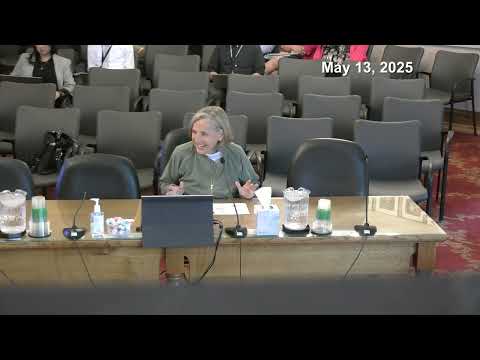
Greg Cleary, Salt Lake City budget director, presented an overview of the mayor's recommended fiscal year 2026 budget during the council work session on May 13.
Cleary told the council the administration's approach was conservative: focus on contractual obligations, inflationary items, core services and prior commitments while aiming to avoid a property tax increase. The recommended citywide expenditures total roughly $1.86 billion, a decline of about $121 million from the prior year primarily because capital spending at the airport and public utilities is reduced.
Key items and assumptions: the recommended budget avoids a property-tax rate increase, uses an estimated $28 million of one-time fund balance (compared with $44 million used in FY25), and projects a general fund balance near 13 percent at year end. Cleary flagged personnel cost increases across labor groups: fire (5 to 7.5 percent), police (about 8.75 percent), AFSCME (4 percent) and nonrepresented adjustments (about 4 percent), producing about an $11 million increase in general-fund personnel costs.
Utility and fee impacts: the administration projected average annual public-utility bill increases of about $120 for a typical household; refuse proposed estimates were roughly $41 annually. The presentation assumed flat building-permit revenue for FY26 and noted that permit and construction trends could be sensitive to tariffs and interest rates.
Public safety and program highlights: Cleary summarized mayoral priorities including funding for homeless services (about $850,000 for downtown ambassadors and advantage services), additional alternative-response funding in the police department, overnight security at East and West side parks and a new Clean City team (5 FTEs plus start-up costs). The budget also includes West Side-focused investments in capital and transit (just under $4 million in recommended West Side CIP projects called out in the presentation).
Why it matters: The FY26 recommended budget frames the council's policy choices heading into public hearings and amendments. The administration emphasized limiting structurally ongoing commitments while meeting negotiated labor adjustments and public-safety initiatives.
Next steps: Cleary said department-level briefings will follow in coming weeks and council staff will present a legislative lens on the budget. Council members raised questions about organizational shifts (for example, engineering FTE transfers) and building-permit trends; staff said departments would provide detailed follow-up in their scheduled presentations.
Ending: The council used the work-session briefing to ask technical questions and signal areas where it may request additional detail before taking action on the FY26 appropriation.