Get Full Government Meeting Transcripts, Videos, & Alerts Forever!
Get email alerts on the Redevelopment Tif topic
No spam. Unsubscribe anytime.
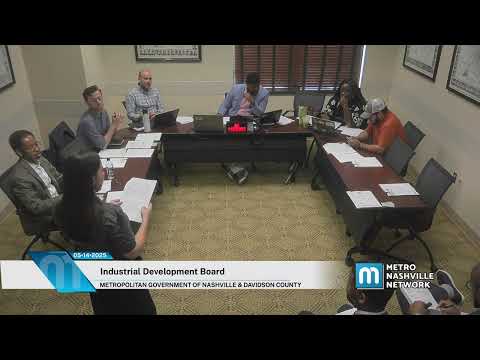
Industrial Development Board approves Rivergate Mall TIF plan, sends deal to Metro Council
Summary
The Industrial Development Board on May 14 approved an economic impact plan and development agreement for the Rivergate Mall redevelopment, clearing the first local approval for a 56-acre master plan that relies on tax increment financing and private funding to pay for extensive infrastructure and new uses.
NASHVILLE — The Industrial Development Board voted May 14 to approve the economic impact plan and development agreement for the Rivergate Mall redevelopment, advancing a 56.49‑acre plan that would convert the failing mall into a mixed‑use neighborhood.
The resolution authorizes a tax‑increment financing (TIF) package capped at $42,000,000 in aggregate increment over 25 years; Metro staff said that amount is worth about $22,500,000 in present‑value borrowing capacity for the developer. The board voted to approve the plan, and the matter now moves to the Metropolitan Council for final approval. The chair of the board abstained from the vote.
Why it matters: Rivergate Mall has fallen to below 29% occupancy after anchor departures; the developer and Metro say the site requires major demolition, utility rework and new roads before private development can proceed. Supporters say the redevelopment would return property and sales tax revenue to the area, create jobs and add transit connections, while critics and some board members pressed for clarity on affordable housing, deadlines and how the project will be funded if neighboring Goodlettsville does not join the TIF effort.
Maris, the project's lead developer, described a mixed program of retail, restaurants, hospitality, medical office, multifamily rentals, townhomes and a sports/entertainment component. "They shared our vision and saw the need and opportunity to create a community asset," said Kate Jerosh, director of real estate development for Maris.
Metro staff and the developer said the site requires more infrastructure work than a typical project: storm and utility relocations that run under the original mall footprint, extensive demolition and grading. Metro chief development officer Bob Mendez said independent review indicates the total infrastructure bill could be roughly $35 million to $40 million. Metro's TIF contribution is not intended to pay the full infrastructure tab but to help make the project financeable.
The financing mechanics Metro described: the board approved up to $42,000,000 in tax increment over 25 years as a cap. Lenders generally treat that stream as worth about $22,500,000 in upfront borrowing capacity today. Metro will retain the city’s existing share of property tax at all times and will also retain an amount equal to its debt‑service share in each year; beginning in year six Metro will retain 25% of any remaining increment above those two amounts. Metro staff emphasized they focused their financial analysis on direct, near‑term returns to Metro’s general fund rather than indirect economic multipliers.
Affordable housing: the developer agreed to pursue Low Income Housing Tax Credit (LIHTC) financing for a senior housing component. The documents require two applications for relevant tax credits; if the developer cannot secure LIHTC, the plan calls for a fallback minimum—10% of units at an affordability level tied to area median income. Jerosh said the prospective senior developer is assembling its capital stack and preparing LIHTC applications.
Transit: Maris and Metro presented a pledge to coordinate with WeGo (the region’s transit provider) to create a new circulator stop linking the site to downtown and surrounding neighborhoods. Metro staff said transit was a material factor in their assessment of public value.
New amendment: Metro and the developer agreed to a late amendment requiring the developer to notify the IDB within 10 days if any property‑tax appraisal appeals are filed for parcels in the plan area, and to provide copies of materials filed in support of those appeals to the extent state law allows. Metro legal staff said the provision seeks greater transparency about potential adjustments to tax revenues going into the TIF.
Next steps: with the board's vote, Metro staff will forward the economic impact plan and development agreement to Metropolitan Council for a May 20 hearing. If Council approves the plan, the developer will return later when it seeks to close a TIF‑backed loan; Metro staff said final loan documents must match the terms approved in the plan.
What remained contested at the meeting: several board members and community representatives asked how the project will affect nearby residents, where affordable units will be located and whether Goodlettsville's participation (or an alternative infrastructure district) will be required to complete the financing. The developer said it has opened community outreach and is pursuing multiple financing options; Maris noted the overall package would likely proceed with or without additional Goodlettsville support.
The board’s approval Wednesday does not itself commit Metro funds until subsequent budget and loan‑closing steps are completed.