Get Full Government Meeting Transcripts, Videos, & Alerts Forever!
Get email alerts on the Crisis Intervention Cit topic
No spam. Unsubscribe anytime.
Miami‑Dade CIT coordinators outline training and diversion outcomes; presenters cite sharp reductions in jail bookings
Summary
Crisis Intervention Team coordinators reviewed the CIT program’s training, diversion outcomes and community partnerships, saying trained officers and co‑responder models have reduced jail bookings and county jail census since 2010.
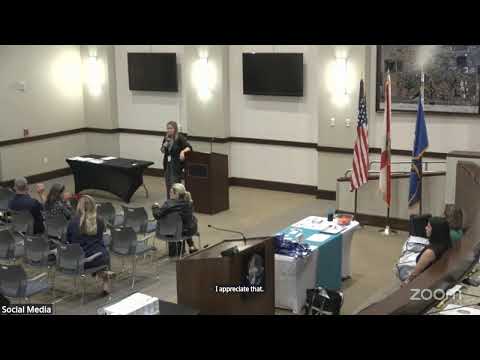
Habsi Kaba, who identified herself as a licensed marriage and family therapist and the crisis intervention team (CIT) program leader for Miami‑Dade County, briefed the Miami Lakes Mental Health Task Force on CIT training, partnerships and outcomes.
"CIT, keeps people safer," Kaba told attendees, describing the program as a first‑responder model that pairs law enforcement with behavioral‑health partners and lived‑experience advocates to divert people in crisis to treatment instead of jail.
Kaba said more than 9,500 officers in Miami‑Dade have completed CIT training and that, in 2024, the Miami‑Dade Sheriff's Office and City of Miami responded to 11,215 crisis calls that resulted in nearly 9,000 individuals being transported to crisis facilities and more than 1,500 diversions to treatment instead of arrest. She noted that those agencies reported only 19 arrests from those 11,215 calls. Kaba also provided longer‑term figures she attributed to county law enforcement: 169,564 calls since 2010, about 115,000 diversions (67.7%), and 635 arrests (0.4%) since 2010.
Kaba and presenters said the CIT effort has contributed to a drop in the county jail daily census from about 7,200 to 4,400 inmates, a 39% decline, and helped the county close a jail, which they said produced a taxpayer cost saving of $12 million per year. The presenters also cited an estimated annual cost avoidance of $29 million and 109,704 fewer inmate jail days as measures tied to diversion and treatment strategies.
The presenters described CIT training as a 40‑hour class focused on de‑escalation, legal aspects and first‑responder wellness; they said co‑responder models and connections to community providers expand officers’ alternatives to arrest. Deputy Amador was introduced as the Miami Lakes CIT coordinator and Detective Terrell was listed as a CIT training coordinator who attended the meeting.
No formal policy action or municipal vote occurred during the presentation; speakers urged community awareness of available crisis resources and continuing collaboration between law enforcement, behavioral‑health providers and community groups.