Get Full Government Meeting Transcripts, Videos, & Alerts Forever!
Get email alerts on the Public Transit topic
No spam. Unsubscribe anytime.
Miami Lakes seniors raise long 'Freebie' wait‑time concerns; staff point to peak demand and grant funding limits
Summary
Committee members described long afternoon waits for the town's Freebie transit service; staff said peak school and commuter periods, limited vehicles and funding from a state grant and county surtax constrain service and that the Freebie is a public system with no ID checks.
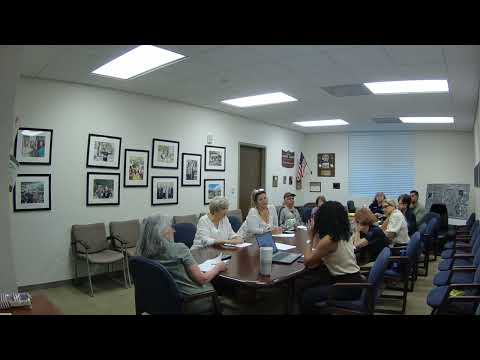
At a Miami Lakes Senior Committee meeting, committee members raised concerns about long waits for the town's Freebie transit service during late‑afternoon peak periods, including times after school when callers reported holding for 20 minutes or more.
"Attempt to make a request after school hours, you can wait for well over an hour for any sort of response," a committee member said during public discussion. A second speaker who described having transportation experience said the late‑afternoon peak coincides with commuter traffic and a shuttle to the Palmetto MetroRail station, creating "several factors" that make the service busiest between about 3 p.m. and 4 p.m.
The transportation representative said the town sometimes assigns a single vehicle to handle concentrated school trips and that the administration is pursuing grant funding to increase frequency and reduce waits. "Part of the reason we're applying for grant funding is to get more...money to continue to increase the frequency and try to improve those wait times for users," the representative said.
Committee members asked whether the town checks IDs or restricts use to Miami Lakes residents. The transportation representative replied that the Freebie is a public transit service and "we don't check IDs for anybody that's using the service." The representative added that the service is funded through a mix of sources, saying "half of the Freebie service is funded through...a Florida Department of Transportation grant" and the other half comes from a county surtax fund identified in the meeting as the "Citizens Independent Train Transportation Trust," a county‑administered half‑penny surtax allocation for public transit.
Asked whether town tax dollars pay for service, the transportation representative said, "No town tax money goes towards this at all." Committee members and the representative discussed communicating longer expected waits to riders, coordinating with FreeVivo (the operator named in the meeting), and continuing to seek grant funding to expand service capacity.
No formal committee motion or vote was taken on transit service during the meeting; members identified the issues and asked staff to continue seeking funding and operational changes.
Ending: Committee members said they will continue to monitor Freebie performance and the town's staff will pursue grant options and coordination with the transit operator to address afternoon congestion and rider communication.