Get Full Government Meeting Transcripts, Videos, & Alerts Forever!
Get email alerts on the Education Agriculture Programs topic
No spam. Unsubscribe anytime.
Weidland High teachers seek school‑site goat herd for animal‑science instruction; neighbors raise location concerns
Summary
Two agriculture teachers presented a plan for a small goat farm on school grounds to expand hands‑on animal‑science instruction. Neighbors and council members raised worries about proximity to subdivisions, odor, flooding, and zoning; presenters said they would seek a zoning variance and prefer on‑campus housing for safety and instructional time.
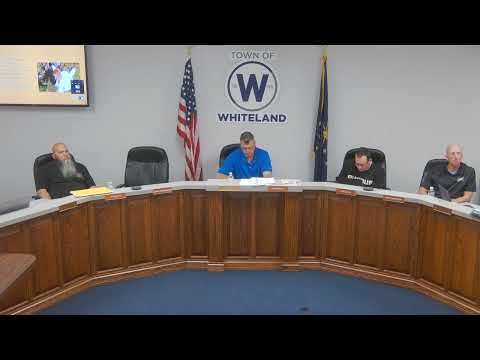
Whiteland — Teachers from the Whiteland High School agriculture department asked the Town Council to consider allowing a small goat herd on school property to broaden hands‑on animal‑science instruction and create classroom‑to‑market learning opportunities.
Hannah Knight, an agriculture teacher and FFA advisor, and Katie Ott, the other agriculture teacher, told the council their animal‑science pathway serves more than 100 students and lacks on‑site livestock that would give students practical husbandry experience. “Our vision is a goat farm that’s maintained and managed by the AG program and the animal science pathway to create opportunities for students to gain husbandry experience as well as some business management skills,” Knight said. The teachers said goats require less space and pose fewer safety and odor concerns than larger species, and they proposed raising about five to eight market goats each semester for student instruction and potential sale.
Why it matters: the proposal touches zoning, public‑health and educational priorities. Teachers said on‑site animals preserve class time and improve student safety and supervision compared with off‑campus arrangements that would require daily busing. They also emphasized career and college advantages for students who gain hands‑on experience.
Neighbor concerns: several nearby residents and at least one council member said the proposed location is close to established houses and subdivisions. A resident who said the site “is right in the middle of a subdivision” said she had heard from more than 20 neighbors who were upset at the idea of livestock adjacent to backyards. Concerns raised in the meeting included manure, flies, long‑term precedent for other livestock, and the property’s susceptibility to flooding.
Process and zoning: Town Manager Carmen explained that the council itself would not decide the zoning variance; the petition, if filed, would go to the town’s Board of Zoning Appeals (BZA), and the BZA’s decision would be final for that matter. Carmen told the meeting, “If they do petition for a variance, it would go before that board, and that would be the final decision.” Several council members said they were generally supportive of career‑technical farm programs but urged the teachers to examine alternate sites (for example, district or bus‑garage property) that are farther from residences.
Teachers’ mitigation plans and timing: the presenters said waste would be managed (they described using a dumpster for manure and regular removal), that males would be castrated (wethers) to limit odor, and that animals could be housed in an existing on‑site storage building or barn so pasture footprint would be small. They asked the town to consider a variance in time to allow planning for the 2025–2026 school year and noted other area high schools already keep livestock on campus.
Ending: the council did not take formal action on the proposal. Town officials and council members suggested the teachers pursue a variance process with the BZA, consider alternate off‑campus but pre‑approved locations, and return with a refined plan addressing neighbors’ concerns and flood risk.