Get Full Government Meeting Transcripts, Videos, & Alerts Forever!
Get email alerts on the Mentoring Programs topic
No spam. Unsubscribe anytime.
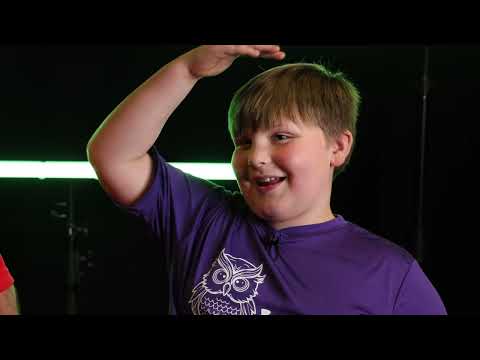
Students, mentors describe benefits of Pearland ISD mentoring program
Summary
Students from Pearland ISD elementary and junior high schools and several adult mentors gave short testimonies about how one-on-one mentoring helped students with confidence, school engagement and social support.
Students and adult volunteers described how one-on-one mentoring has helped young people in Pearland Independent School District, saying mentors provided emotional support, time outside class and encouragement.
The remarks, recorded in a sequence of short testimonials, came from elementary and junior high students who identified their schools and grades and from adults identified as mentors. Jack, a first grader at Shadycrest Elementary, said he enjoys playing catch with his mentor and praised the time they spend together. "I usually play catch and stuff," Jack said.
Tayden, a fifth grader who introduced themself as attending Sablatoro, said mentoring helped when they were "struggling in school" and that having an adult to talk to made a difference because peers could not provide the same support. "Before having a mentor, it was just me or my friends... my friends, they're my age, so they're not gonna really know that much to do about it," Tayden said.
Jada, an eighth grader at Pearland Junior High South, said her school counselor recommended a mentor and she found the match helpful. "My counselor actually recommended one for me. And I was like, let me give it a shot," Jada said. She described the mentor relationship as a set time to talk about anything she needed.
Chastity Garcia, an eighth grader at Pearland Junior High West, described her mentor as attentive and supportive, saying, "She goes out of her way for me. She does everything she can to make me happy." Jada also noted that one mentor is "in her seventies," and that comparing how times and experiences differ was part of their conversations.
Several adult speakers identified only as mentors recounted personal experiences and praise for mentees. One mentor (speaker 5) described a mentee who "single handedly won" a tug-of-war at field day and said spending time with the student had made the mentor "a better man." Another mentor (speaker 8) described long-standing affection and said, "I cried when you gave me my necklace. I've cried with you and for you, but I've prayed for you always because we're besties and that's what we do."
The testimonials emphasized two recurring themes: mentees valued a consistent, trusted adult to listen and play with, and mentors said the relationships were meaningful to them as well. No program details such as participation counts, funding sources or formal action items were mentioned in the recorded remarks.
These remarks are personal testimonials and do not represent formal board action or program policy changes; the recording did not include motions, votes or administrative decisions about the mentoring program.