Get Full Government Meeting Transcripts, Videos, & Alerts Forever!
Get email alerts on the District Budget topic
No spam. Unsubscribe anytime.
Westminster Public Schools presents proposed $180M‑plus budget, warns enrollment decline will limit near‑term gains
Summary
District finance leaders presented the proposed 2025‑26 budget at the board meeting, citing declining enrollment, a multi‑year state funding reform, a $111 million bond program and a $28 million mill levy override as key revenue drivers and constraints.
Westminster Public Schools officials presented the district's proposed financial plan for the 2025'26 school year, saying the general fund will remain the largest part of the budget and that persistent enrollment decline will limit near‑term revenue growth.
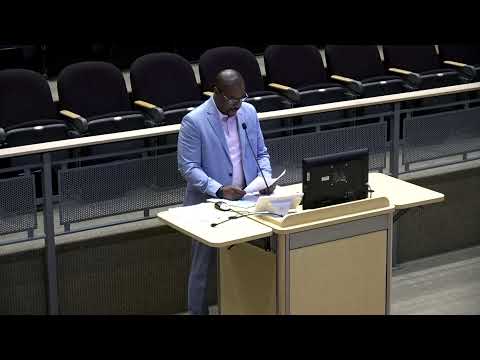
Finance Director Bridal Montgomery told the Board of Education the district expects to receive more than $180 million across all funds next year, with the general fund accounting for about 76% of that total. Montgomery said the district projects $12,565 per student under Colorado's newly revised finance formula as of Oct. 1, 2025.
District staff said the plan matters because enrollment and state funding formula changes will shape staffing, programming and capital priorities. Montgomery noted Westminster serves 7,724 students and that 82% qualify for free or reduced lunch; the district includes 18 schools and more than 34 languages spoken among students.
Montgomery and fellow presenter Sandy Neece walked the board through revenue and spending assumptions: property taxes and state equalization remain the primary revenue sources; federal grants (Title I, IDEA) provide more limited support; and voter‑approved measures such as mill levy overrides and bonds supply substantial local funding. The district is carrying forward a $111,000,000 bond package approved in February 2024 to finance renovations including work at the Iversee Random Innovation Campus and Shaw Heights, and staff noted the district's mill levy override provides roughly $28,000,000 that underpins many operating priorities.
Staff flagged a persistent gap between special education costs and state/federal reimbursement: the district expects to spend more than $14,000,000 from the general fund on special education while receiving roughly $3,200,000 in direct special‑education aid. Montgomery said salaries and benefits will make up “about 80% or more” of general fund expenditures next year and that overall general fund expenses are projected at about $130,000,000.
Montgomery briefed the board on demographic trends and enrollment projection methodology. After a small uptick driven by newcomers in 2024'25, the district expects enrollment to dip again before stabilizing in future years; a demographer cited in the presentation projects declines through the near term. Staff also noted the state'wide school finance reform enacted in 2024 will phase in over seven years and adds funding factors for English‑language learners and special education that will incrementally change district revenue.
Board members did not take action on the proposed budget at the meeting; Montgomery said the presentation is part of the public process and that the administration expects to bring a final budget adoption to the board at the end of May.
Staff provided additional operational context: the district projects 910 full‑time employees in the general fund for 2025'26 (35% hourly/ESP, 55% licensed staff, about 9.5% building administrators), serves students speaking 34 languages from 39 countries, and delivered approximately 1,600,000 meals during the current school year. The presentation included standard reserve and fund balance requirements, including a 3% TABOR restriction and a policy reserve of 5% of the budget.
District officials encouraged continued public input as the budget is finalized later in May.