Get Full Government Meeting Transcripts, Videos, & Alerts Forever!
Get email alerts on the Conservation Agriculture topic
No spam. Unsubscribe anytime.
Land and Water Conservation office reports growth in cover crop support and releases groundwater study dashboard
Summary
The Land and Water Conservation Department reported on programs including a cover‑crop cost‑share that supported over 2,600 acres, a farmland preservation tax‑credit program covering more than 110,000 acres, and a completed groundwater study with an online dashboard developed with UW Stevens Point.
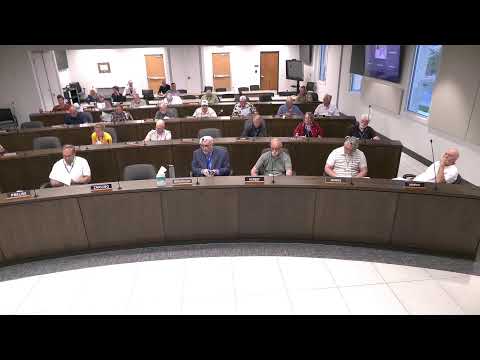
Patricia Cicero, director of the Jefferson County Land and Water Conservation Department, presented the department's annual report outlining programs, staffing and recent accomplishments, including a county groundwater study completed with UW‑Stevens Point and expanded cover‑crop support.
Cicero said the department has a six‑person staff and that 52% of the office's funds come from grants, program revenue and fees. She described the county's farmland preservation tax credit program and said, “last year, we had 6 participants and their land covered, more than 110,000 acres. And by enrolling in the grama and following the standards, those land owners, received over 1,100,000 in tax relief.”
Cicero highlighted the cover‑crop program run in partnership with Jefferson County Soil Builders On, reporting the department helped pay for more than 2,600 acres of cover crops last year. She said cover crops reduce erosion and improve soil health and that the department also supports smaller residential conservation practices such as rain gardens and native shoreland plantings through DNR funding.
The department released a final groundwater study and an online dashboard developed with UW‑Stevens Point, Cicero said, and staff are using study results to educate private well owners about the importance of sampling. She noted the county recommends well owners test at minimum for nitrate, bacteria and arsenic and that the department screened 50 well water samples for nitrate last year.
Cicero also noted the office received a Working Lands Preservation Award from Gathering Waters and invited board members to the June meeting where Gathering Waters will present the award. She encouraged residents to contact the Land and Water office for information on conservation practices and well screening services.
Questions from board members focused on timing and use of cover crops in crop rotations; Cicero described options including winter wheat followed by cover crops and fall planting to reduce soil exposure.
No formal board action was requested; the presentation served as the department's annual report.