Get Full Government Meeting Transcripts, Videos, & Alerts Forever!
Get email alerts on the Municipal Budget topic
No spam. Unsubscribe anytime.
North Brookfield finance committee flags $1 million shortfall, recommends targeted cuts and reserve hold
Summary
The Town of North Brookfield Finance Committee reported a projected FY2026 deficit of roughly $1,000,001, driven mainly by a large school request and lower-than-expected state offsets.
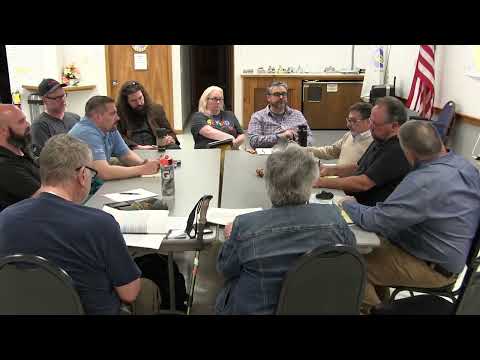
The Town of North Brookfield Finance Committee told a joint meeting of town officials and the school committee that the town faces a projected budget shortfall of roughly $1,000,001 for fiscal 2026, driven mainly by a large school budget request and reduced state offset payments.
"This town does not have the ability to support an increase of $1,200,000 at the moment," said Joe, Finance Committee chair, who presented the committee———report andrecommendations.
The presentation broke the gap into operating increases and reduced offsets. The committee reported an overall proposed budget of about $497,000 (thousands omitted in slide totals) and said the difference from FY25 to FY26 is about $99,000 in operating items shown on its worksheet. Major specific pressures described included group insurance rising (the committee cited a roughly 16% movement in group insurance rates as a working estimate), increased street-lighting costs of about $9,000, and a property revaluation cost of roughly $9,000 for the four-year revaluation contract.
FinCom summarized departmental recommendations the committee has already voted or put on its worksheet: retain a working reserve of $35,000 (a carry-forward of recent free-cash additions), eliminate the select board salary for the coming year (the committee has recommended a continued pause), reduce a proposed increase to the town assistant—position (the committee recommended reversing an earlier proposed increase, cutting about $9,000), and cut certain dues and memberships (including reversing a proposed increase for a finance-related membership). The committee also reported the auditor agreed to hold the audit fee at $2,025, a reduction the budget reflects.
Ambulance service funding emerged as a significant local pressure. The Ambulance Association presented a request for roughly $60,000 to cover a reported loss; FinCom said the full $60,000 is difficult to find in the FY26 budget but recommended considering an additional $40,000 contribution while the town continues to explore revenue growth and other offsets. The committee said it reviewed the ambulance association—IRS filings and discussed the organization's reported $60,000 loss for its fiscal year ending March 31.
Committee members and other meeting participants repeatedly cautioned that borrowing or using stabilization reserves to close operating gaps would carry significant risk. The finance chair warned that ongoing use of stabilization for operations would leave the town exposed if large projects require additional outlays or federal oversight of capital projects requires more town match.
The committee highlighted that some previously available one-time revenue sources have now lapsed: federal ESSER funds and other COVID-era offsets that had temporarily supported school programs were no longer available, and the committee said this contributed materially to the school budget gap. The committee also reported that projected state offsets (Chapter 70 and circuit-breaker-related reimbursements) declined versus prior estimates, producing an approximate $847,000 reduction in anticipated state support in the committee's worksheet.
The finance chair and other speakers emphasized the committee can only make recommendations; department heads and elected bodies must decide final budget choices. The group flagged major upcoming town deadlines including the public hearing and the June 13 town meeting, and urged close review of department budgets and continued monitoring of the state budget process for changes to Chapter 70, circuit-breaker reimbursement, and rural school aid.
Less-critical details and next steps: FinCom reported earlier reductions it has already made (roughly $377,000 in prior school reductions reported at the school committee meeting), and said it will continue to work with the town accountant and department heads to identify additional cuts before town meeting. The committee suggested that the ambulance association return with further documentation if the town pursues a partial additional allocation.
The meeting concluded without town-level votes changing the draft appropriation; the Finance Committee and presenters described recommendations, not final appropriations, and asked boards to take those recommendations into account before town meeting.