Get Full Government Meeting Transcripts, Videos, & Alerts Forever!
Get email alerts on the Zoning Regulated Technologies topic
No spam. Unsubscribe anytime.
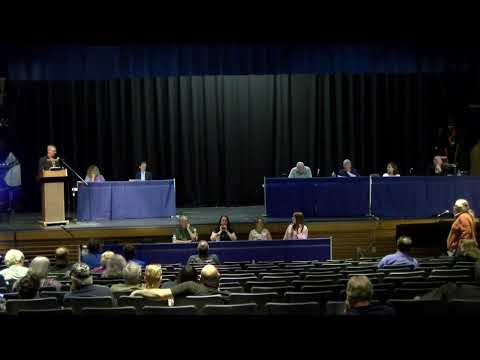
Templeton voters ban ‘regulated technologies’ that would convert waste into fuel
Summary
Town Meeting approved amended citizen petitions (Articles 27 and 28) that add bylaw language prohibiting commercial-scale processes to convert waste or post‑use materials into fuels or other hydrocarbon feedstocks in two industrial zoning districts; Attorney General review and DEP jurisdiction were discussed.
Templeton voters approved an amended zoning change that forbids commercial processes to convert waste or post‑use materials into fuels or other hydrocarbon feedstocks in the town's two industrial zoning districts.
Supporters said the measure is meant to stop industrial‑scale fuel‑from‑waste operations, while opponents and town counsel warned the Attorney General or state agencies could review or challenge the new bylaw.
Backers framed the change as a preventive step. "This article has essentially the same meaning, but we have clarified the intention," said Rachel Herman, who presented the revised language to town meeting. "The intention of the article all along has been to prohibit commercial, industrial zones from having any kind'… storage of large tanks of hydrogen gas or oil, rail cars full of this dangerous flammable material, stockpiling the material before it gets burned or heated up. It's a nasty dirty process, and it's not good for the town."
The amendment replaced a longer citizen petition on the warrant with a streamlined definition of "regulated technologies" and removed language that town sponsors said could unintentionally capture ordinary manufacturing like injection molding or pellet heating. Planning‑board members who reviewed the rewrite said the change narrowed the scope to commercial activities that heat or burn material to produce fuel.
Town counsel and others at the meeting flagged possible overlap with state permitting. "I have concerns about the aspects of this that may be applied, or interpreted to apply to something that the state would call a solid waste facility," attorney Ryan Holmquist told town meeting, noting disposal and solid‑waste facilities are regulated by the Massachusetts Department of Environmental Protection. He said the Attorney General's office often explains reasons for any rejection and sometimes points to how a bylaw could be rewritten.
Supporters said they preferred a clear, local definition now rather than wait for a private project or a change in state practice. Town meeting voted to approve the amended Article 27 (the CIA zone) and amended Article 28 (the CIB zone). Both measures passed after discussion; each will be submitted to the Massachusetts Attorney General for review before becoming effective.
The bylaw change applies only to the commercial/industrial zoning districts specified in the warrant language and does not alter town policy for residential, agricultural or standard commercial uses. The vote does not itself authorize or deny any pending permit application; instead it adds a townwide rule that will be enforced through local permitting and the planning board.
Town officials said they expect the Attorney General's office to review the petition and that legal questions about state versus local authority could follow, but proponents said the change aims to protect wetlands, groundwater and residential neighborhoods from large‑scale fuel‑from‑waste installations.
The amended motions were presented and seconded at the meeting and were adopted by town meeting. The board and petitioners will now send the new bylaw text to the Attorney General's office as required for final certification.