Get Full Government Meeting Transcripts, Videos, & Alerts Forever!
Get email alerts on the School Performance topic
No spam. Unsubscribe anytime.
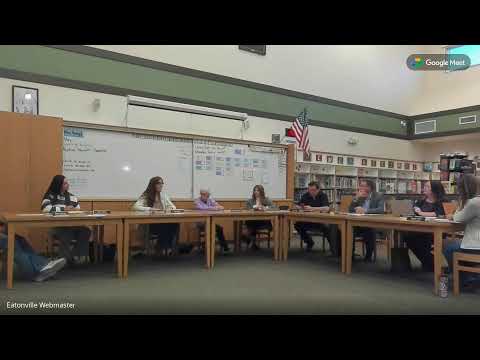
Eatonville Elementary reports gains in ELA, highlights attendance as barrier to further progress
Summary
School leaders reported double‑digit winter gains in English language arts as measured by iReady and SBA historical comparisons, credited targeted interventions and curriculum fidelity, and said high illness and parental barriers drove a drop in daily attendance that threatens continued gains.
School leaders told the Eatonville School District board that focused ELA interventions and consistent curriculum implementation produced measurable winter gains, while attendance disruptions and resource tradeoffs limited similar improvements in math.
"This group of students ... they scored last year on the SBA, 35.2% in ELA, 33.8 percent in math, and 46.5 in science," the presenting school leader said while reviewing fifth‑grade outcomes, citing improvements from previous years. He and other staff pointed to a fall‑to‑winter rise on iReady benchmarks: "For ELA, every single grade level had a 10% increase in their grade level standards," he said.
Nut graf: School leaders described a multi‑pronged approach — updated ELA curriculum, coordinated para‑educator phonics training, targeted one‑on‑one interventions and an after‑school tutoring program — that together produced reading gains. They also said math growth lagged because the school temporarily doubled ELA intervention time for some students to accelerate reading gains.
Details and data: The principal (presenter) said that for some cohorts SBA performance rose by more than 10 percentage points compared with the prior year and that winter iReady diagnostics showed significant typical and "stretch" growth for students multiple grade levels behind. He noted one example: fifth grade had 39% meeting typical growth in math by January after instructional changes.
Attendance challenges: School staff said two months of high illness — multiple students and staff leaving school sick daily — produced daily attendance percentages in the 60s for those months and made the district's goal of a 5% average monthly attendance increase unattainable for the current year. "We had, like, 15 to 20 kids going home, 5 staff a day going home throwing up," the presenter said, describing the outbreak. Leaders emphasized that many absenteeism drivers are parental or household issues and that district‑level coordination and wraparound services are needed.
Policy and next steps: Staff said they plan to replicate the intentional ELA intervention model in math next year and continue building school culture to support staff retention and engagement. They also flagged pending state legislative work on attendance liaisons and pending truancy updates as potential resources; the presenter said a truancy meeting with Pierce County will provide additional information.
The presentation included both classroom‑level intervention data and district‑level operational challenges; board members and community members offered support and suggested community forums and volunteer programs as possible complements to district strategies.