Get Full Government Meeting Transcripts, Videos, & Alerts Forever!
Get email alerts on the Capital Improvement Plan topic
No spam. Unsubscribe anytime.
Budget committee presses for multiyear CIP to spread rising fire and ambulance costs
Summary
The Greenland Budget Committee agreed to begin a multiyear capital improvement plan (CIP) focused first on fire apparatus and emergency vehicles, discussing replacement timetables, grant opportunities and reserve-fund strategies to avoid large single-year tax impacts.
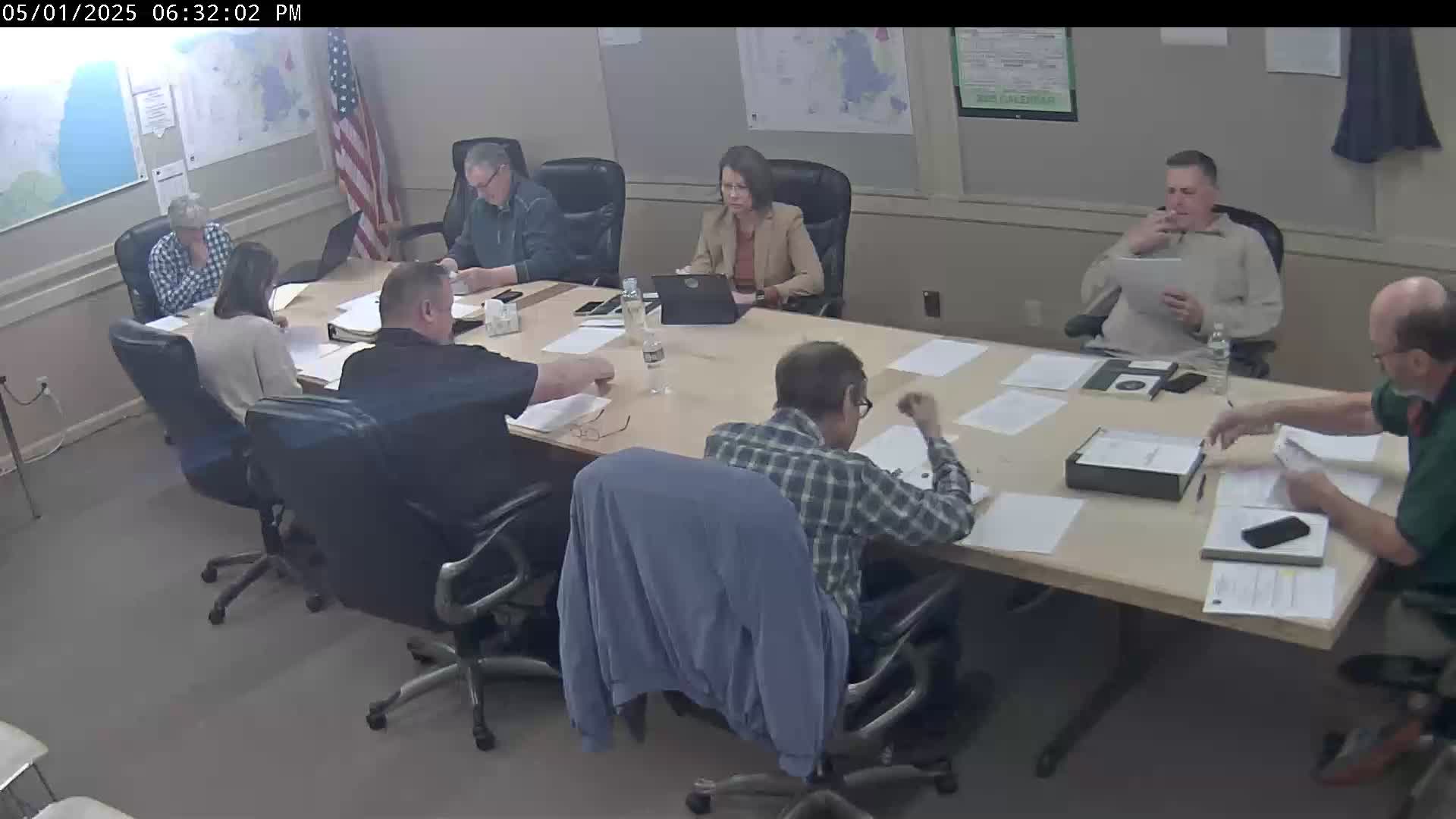
At a recent meeting of the Greenland Budget Committee, members agreed to begin a multiyear capital improvement plan focused first on fire apparatus and emergency vehicles, aiming to give the select board and budget committee longer-term visibility on replacement timing and costs.
Committee members spent the bulk of the session reviewing each major piece of fire and EMS equipment on the town’s list, including a 2003 utility pickup, a 2007 Smeal pumper, a Mack tanker, a 2013 ambulance now kept in reserve, and a 2022 ambulance purchased with federal recovery funds. The committee discussed useful life estimates, refurbishment options and funding approaches, and asked staff for missing details on mileage, recent refurbishment costs and quotes.
“The CIP by state law is only 6 to 10 years. That’s all we need to do, but let’s create visibility beyond there,” a committee presenter said, urging the group to show equipment needs out 10–20 years so the town can make informed choices and avoid simultaneous large purchases.
Why it matters: Committee members warned that several major replacements cluster in the same multi‑year window. Without a planned schedule and a predictable revenue strategy — grants, ambulance billing revenue directed to reserves, or consistent yearly funding to a capital reserve fund — the town could face large one-time tax increases or the need to bond expensive apparatus at current higher interest rates.
Most of the detailed discussion was informational; the group did not adopt a final CIP at the meeting. Members asked staff to provide clearer, itemized schedules, refurbishment histories, insurance replacement rules and up‑to‑date quotes so the committee can recommend realistic yearly reserve targets to the select board.
Highlights from the discussion
- Utility pickup (2003 Ford F-250): Staff reported the department has submitted a grant application intended to cover a replacement; a staff member said a recent quote for a new utility truck is “almost $53,000 just for the truck itself.” The grant application was submitted in April and the town expects to hear back this month. Committee members asked for confirmation of mileage and storage/use patterns so they can judge whether to defer purchase pending the grant outcome.
- 2007 Smeal pumper (Engine 3): The truck was rebuilt two years ago (frame mounts/refurbishment) but the committee was told apparatus have an approximate 20-year service life and replacing that pumper could cost in the high hundreds of thousands. Committee members debated whether spending modest amounts now to refurbish pumps or seals could extend life for several years so the town can spread replacement costs across more budget years. A capital reserve fund for fire and ambulance currently shows funds, but the committee heard the town still could be on the hook for roughly $1 million across a short window if multiple apparatus replacements coincide.
- Mack tanker (2009): The tanker is used on many responses and was described as likely serviceable for another 5–10 years; maintenance items (brakes, tires, pump servicing) were discussed as routine operating expenses but potentially large costs if major pump work is needed.
- Ambulances: The 2013 ambulance is kept in rotation and was recently recertified. The 2022 ambulance was funded largely with Recovery Plan Act funds (described in the packet as an ARPA recovery program payment) and is expected to remain in service for many years. Committee discussion noted that a modern ambulance can cost roughly $500,000 and lead times for delivery and chassis/body availability can be 18 months to two years or more.
Funding and policy options discussed
- Capital reserve approach: Several members recommended a steady annual deposit (examples discussed ranged from $200,000 to $300,000 per year) into the fire/ambulance reserve so the town has funds when a replacement is due rather than bonding large amounts at once.
- Refurbishment vs replacement: Members asked staff to provide more specific refurbishment-cost estimates (pump rebuilds, frame work, hose replacement) so the committee can weigh short-term extensions against long-term replacement costs.
- Grants and other offsets: The group discussed private foundation grants that have assisted equipment purchases in recent years (a recurring private trust grant was referenced) and noted ambulance-billing revenues are currently credited to the fire-and-ambulance CRF. Members asked staff to identify which future purchases might be eligible for those sources.
Next steps
Committee members asked staff to produce a spreadsheet listing each item, year purchased, estimated replacement year, and a projected replacement cost or refurbishment-cost range so the committee can model steady annual reserve contributions and present a clear recommendation to the select board and the budget committee. The group also scheduled follow-up meetings to work through the CIP for police, schools and public works in coming sessions.
This meeting was discussion-focused; there were no formal votes on the CIP itself. The committee approved routine meeting minutes and the consent agenda later in the session.
Ending: The budget committee directed staff to return with the requested itemized spreadsheet and cost clarifications so members can draft a multiyear funding recommendation before the next round of budget deliberations.