
Village drops private‑road agreement requirement for Taylor CSM after discussion of Wisconsin Act 99
Get AI-powered insights, summaries, and transcripts
Subscribe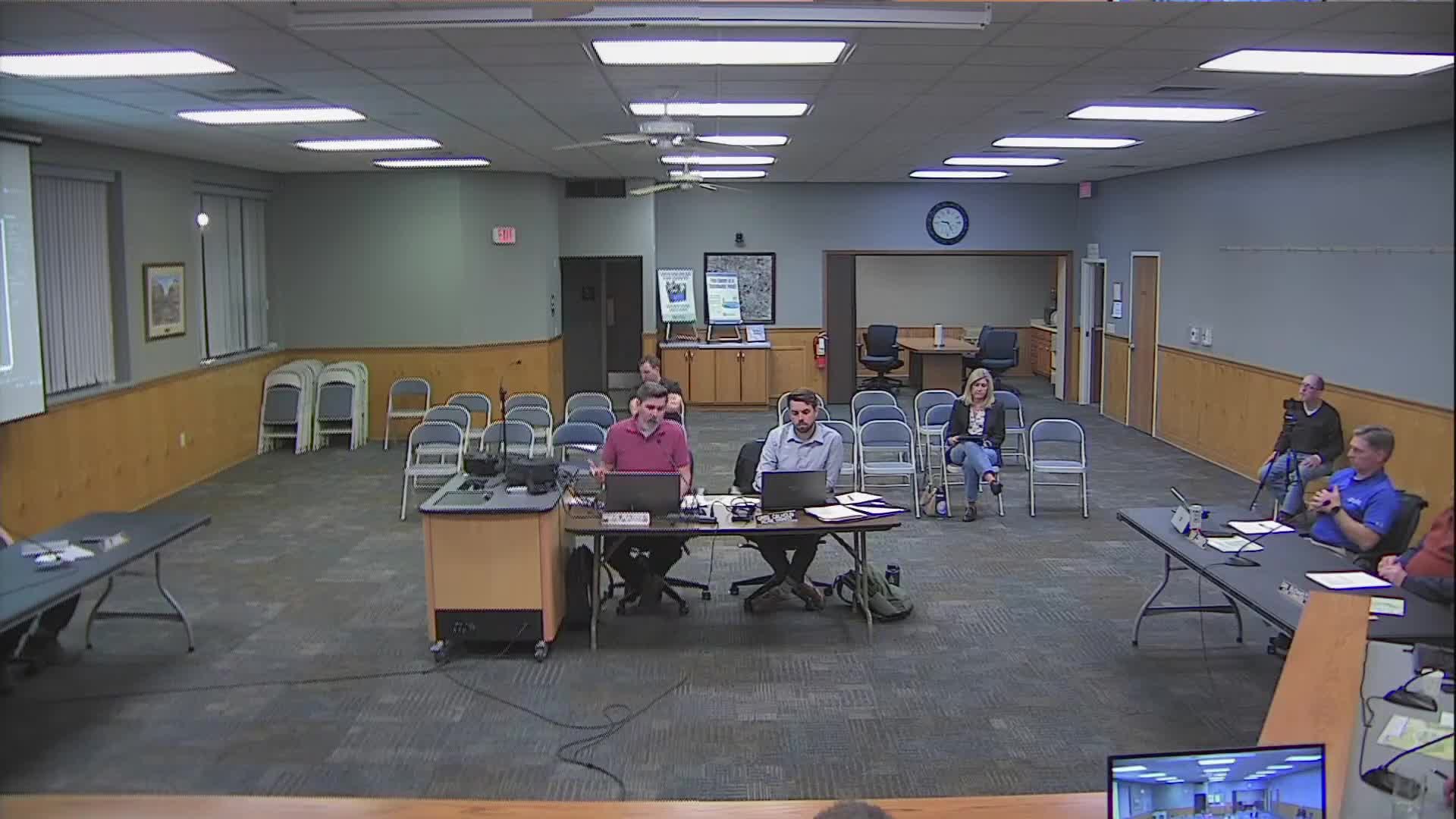
Summary
After petitioner Ty Taylor said he had been unable to obtain one property owner’s signature on a private‑road maintenance agreement, the Village of Waukesha planning commission and village board removed the earlier condition requiring that agreement and accepted that Act 99 (2021) or a partial agreement may govern maintenance responsibilities.
The Village of Waukesha planning commission and village board reconsidered a certified survey map (CSM) approval for property at S23 W27100 Shaughnagie Lane on May 8 and removed a condition that had required a private road maintenance and access agreement to be signed and recorded before the CSM could be recorded.
Background: The CSM, originally approved in November 2024, divided an existing 5‑acre parcel into two lots. As a condition of that approval the village required a roadway access and maintenance agreement for the private lane serving the homes. Petitioner Ty Taylor told the commission he had obtained signatures from most, but not all, owners on the private lane and that 1 owner has declined to sign despite offers to pay legal costs and attempts to explain the agreement.
Taylor pointed to Wisconsin Act 99 (2021), which establishes rules for private road maintenance and apportionment of costs based on equitable share and intensity of use, and asked the commission to remove the requirement for a recorded private agreement. Taylor and some commissioners argued that Act 99 provides a legal backstop if owners cannot agree on a recorded maintenance agreement.
Attorney and staff guidance Village Attorney John Macy advised the commission that while a recorded private‑road agreement is the clearest path to avoid later disputes, Act 99 provides statutory authority and remedies; he warned the act’s language is less specific in places and could lead to litigation in a contentious case. Staff noted that the village’s ordinances do not currently require a signed private‑road agreement in all cases.
Decision and rationale After discussion, the planning commission voted to remove the private‑road agreement requirement from Taylor’s approved CSM and recommended the village board accept that recommendation. The village board accepted the commission’s recommendation. Board members said the change would allow the approved lot division to proceed and avoid granting neighbors a veto over the land division in cases where one owner will not sign. Several trustees said they would prefer a fully signed agreement but that Act 99 and other mechanisms provide reasonable protection.
Taylor withdrew a separate alternate CSM application during the meeting after the board’s action.
What this means Removing the condition means Taylor may proceed with recording and selling the new lot provided other standard recording and permit conditions are met. The board’s action does not prohibit the petitioner from pursuing a recorded agreement with any or all property owners later; it simply removes that agreement as a precondition to recording the CSM.
Quotes from the record - Ty Taylor: “I have compared the two agreements, and I think there's only two noteworthy differences… Is it worth derailing the creation of this new lot, to split hairs?” - Village Attorney (John Macy, paraphrased): “A recorded agreement is clearer and reduces the likelihood of later litigation; the statute gives remedies but is less precise.”
Next steps Taylor said he would withdraw an alternate CSM application and would email staff the formal withdrawal. If Herbert or other property owners later seek a recorded agreement, they may enter into one, but the village will not require it for this CSM.
Ending: The board’s action enables the approved November CSM to move forward without the recorded private‑road agreement previously required as a condition.