Lifetime Citizen Portal Access — AI Briefings, Alerts & Unlimited Follows
Energy nominee backs transmission permitting reform, pledges DOE support for grid projects
Loading...
Summary
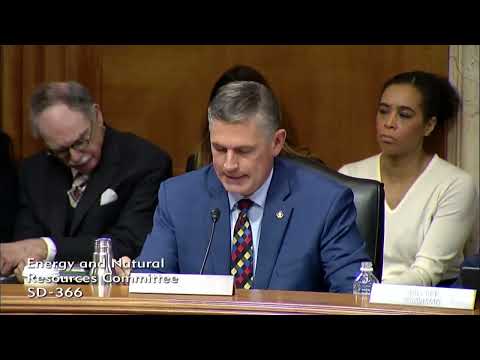
At a Senate Energy and Natural Resources Committee hearing, nominee Mister Wright told a senator he supports transmission permitting reform and will use DOE authorities to back transmission projects such as the Southline Transmission Project to improve reliability and lower costs.
At a confirmation hearing before the Senate Energy and Natural Resources Committee on Oct. 11, a senator asked nominee Mister Wright how important transmission-line permitting reform is to broader permitting legislation. Wright responded that building new transmission and repowering existing lines is “very important” to meet growing electricity demand and to restore a long-term trend of falling real electricity costs and improving grid reliability.
The senator said the committee last Congress advanced “a comprehensive all-of-the-above permitting bill” by a vote of 15 to 4 and pressed Wright on whether transmission reforms should be included in any broader permitting package. The senator tied that need to rising demand driven in part by artificial intelligence, increased electrification and a recent increase in manufacturing.
Wright noted the Department of Energy’s Grid Deployment Office and the transmission facilitation program have supported projects that can lower costs and increase reliability, citing the Southline Transmission Project as an example. “I’m aligned with you and will seek to find the best ways to improve our transmission grid, including expansion and new lines,” Wright said.
The senator also asked Wright to assure the committee that DOE would continue to use its authorities and resources for transmission projects if proposals such as Project 2025 were to eliminate the Grid Deployment Office. Wright affirmed he would seek ways to improve the grid and support transmission deployment.
The exchange focused on policy tools within DOE and on legislative steps to accelerate permitting; there was no formal vote or binding commitment to a specific legislative text during the hearing.