Get Full Government Meeting Transcripts, Videos, & Alerts Forever!
Get email alerts on the School Transportation topic
No spam. Unsubscribe anytime.
Students and council members raise parent‑responsibility zone and school transportation gaps
Summary
Stratford Magnet students urged the city and school district to address transportation gaps created by MNPS parent responsibility zones (1.5‑mile radius), proposing community vans or expanded bus service to improve attendance and safety.
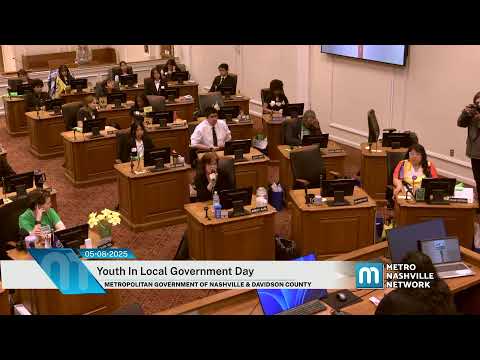
Students from Stratford Magnet School presented Thursday on transportation challenges they say stem from Metro Nashville Public Schools’ parent responsibility zone, which requires students within 1.5 miles of their high school to arrange their own transportation.
Presenters said the 1.5‑mile radius leaves many students walking long distances in inclement weather or relying on ad hoc carpools, which they argued harms attendance and safety. Stratford students displayed a map of their school’s 1.5‑mile zone and said the area covers neighborhoods from South Englewood to Birchwood Gardens. The presenters gave their school’s enrollment as about 914 students and said limited bus service — one morning and one afternoon run — creates frequent scheduling gaps.
To address the problem, the students proposed a community van sponsored by a local provider to operate a 6 a.m. to 6 p.m. schedule on weekdays to serve the school‑zone area, noting many students participate in after‑school athletics and activities and need later transportation. They argued such service would improve attendance and safety while reducing parent burdens.
Council and school officials in the room agreed to continue the conversation. Vice Mayor Angie Anderson, Council member Young and other officials noted that MNPS is one of the largest public‑transport providers in the state and that expanding service involves budget and operational tradeoffs. Council members pledged to convene follow‑up meetings with transportation staff, school representatives and district leaders to explore options including additional buses, van partnerships and targeted pilot programs.
No formal motions or budget allocations were made at the event; officials said the next step is a working group with school‑board and council representatives and transportation staff.