Get Full Government Meeting Transcripts, Videos, & Alerts Forever!
Get email alerts on the Media Law Defamation topic
No spam. Unsubscribe anytime.
Committee hears rival claims on modernizing retraction statute for digital media
Summary
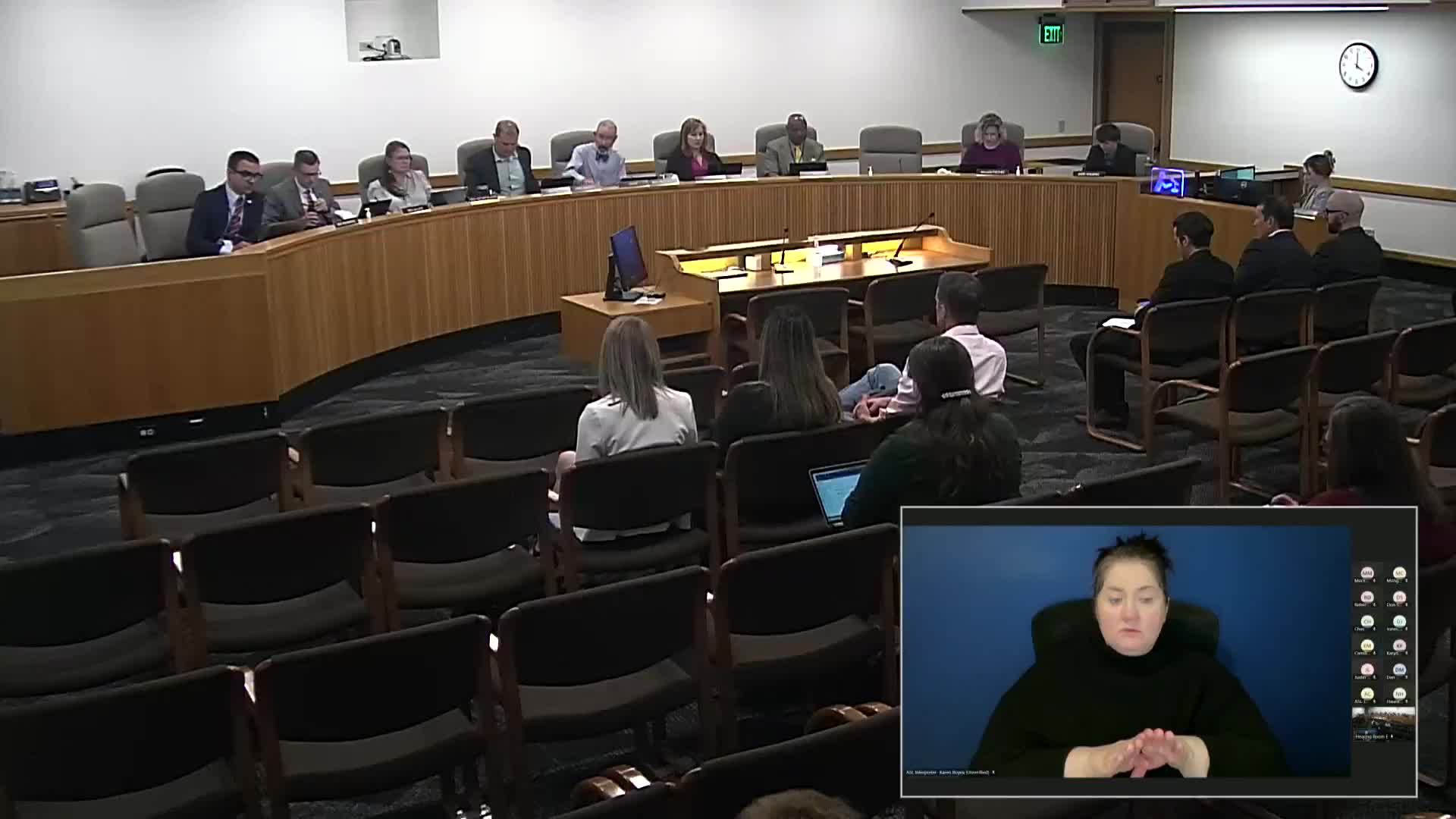
The Senate Committee on Judiciary heard testimony Thursday on House Bill 3,564, which would extend Oregon's retraction/correction statute to electronic publications and lengthen the time for demand letters from 20 to 40 days.
The Senate Committee on Judiciary heard public testimony Thursday on House Bill 3,564, which would update Oregon's correction and retraction statute to cover printed and electronic publications, extend the time a person has to demand a retraction or correction from 20 to 40 days, and set procedures for how corrections must appear in print, broadcast and online media.
Why it matters: The bill's sponsors said the changes reflect the reality that many news records now exist online and that victims of false statements need more time to secure legal advice before seeking a retraction. Journalists and news organizations said the bill risks chilling reporting by extending the window for legal demands and noted many small newsrooms lack in‑house counsel to respond within the proposed timeline.
Representative Darren Harbick, sponsor of the bill, told the committee Oregon's correction‑retraction statute was enacted in 1955 and needed clarification for digital archives and the rise of AI. "Since news is transitioning to existing mostly online now, it is important that we clarify that our correction retraction statutes also apply to digital news," he said, adding that the bill extends the demand period to 40 days after working with stakeholders.
Reporters' organizations urged the committee to delay or table the bill for interim work with media‑law experts. Julia Shumway, president of the Oregon Legislative Correspondents Association, said the bill "could have a direct chilling effect on our members' abilities to do their job in reporting on the public," noting small newsrooms have limited legal budgets and that a longer window can be used to threaten or intimidate publishers.
Attorney Dan Meek, who testified for a consolidated Oregon Indivisible Network, argued the draft gives electronic publishers an advantage over print because removing a statement from a web page (rather than publishing a visible retraction) may not notify readers who already saw the false material; he recommended the bill require visible retractions in electronic media.
Ending: Committee members heard a range of concerns from both proponents and news organizations. Several journalists and small publishers submitted written testimony and urged an interim process with media‑law experts before further statutory changes. The committee did not take final action at the hearing.