Get Full Government Meeting Transcripts, Videos, & Alerts Forever!
Get email alerts on the Housing Office To Residential topic
No spam. Unsubscribe anytime.
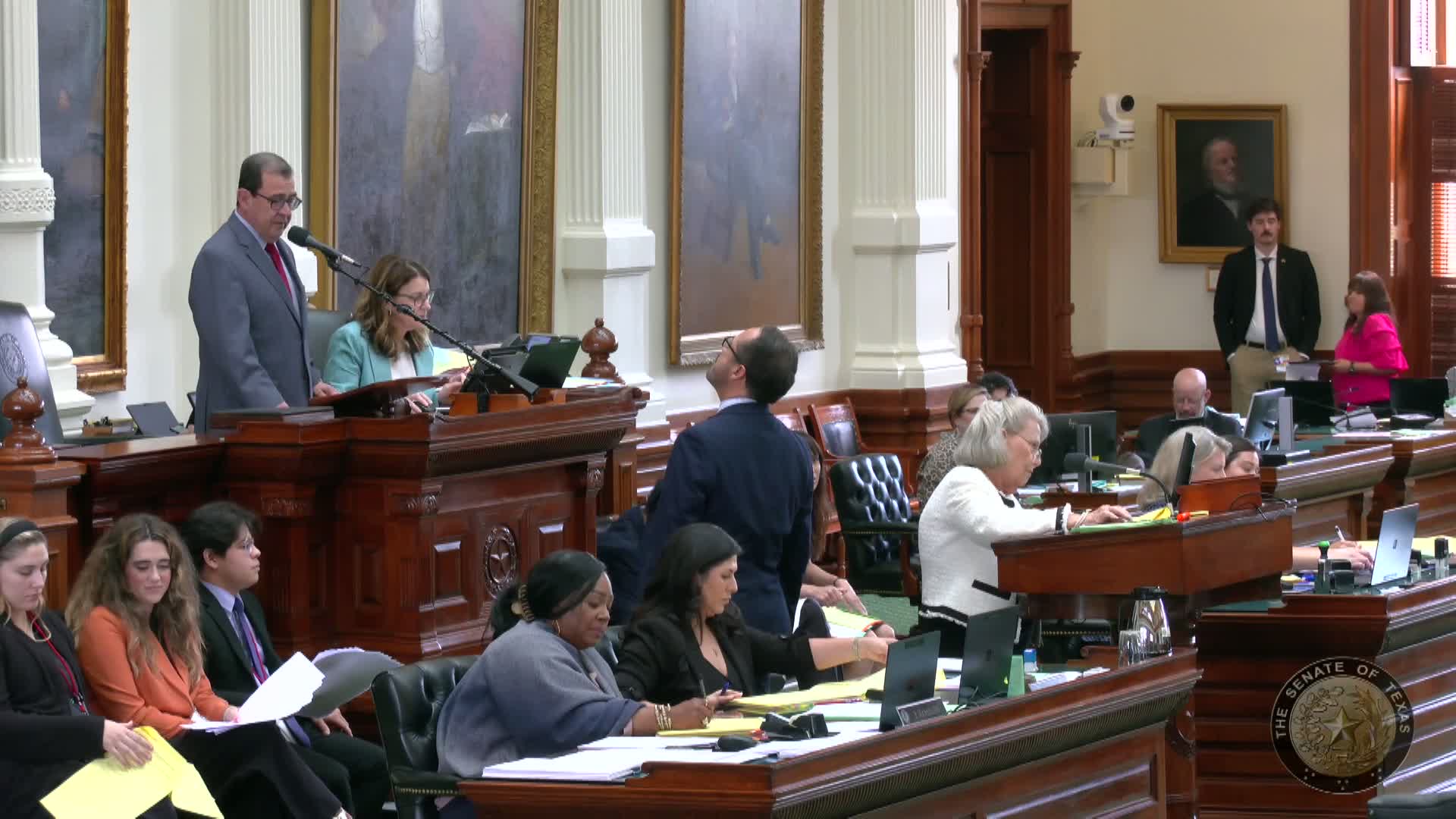
Senate approves measure to streamline office-to-housing conversions in large Texas cities
Summary
Senators passed a committee substitute to Senate Bill 2477 to remove regulatory barriers and make office-to-residential conversions easier in larger Texas cities, with an amendment preserving municipal authority to charge review fees and dedication requirements.
The Texas Senate passed a committee substitute for Senate Bill 2477 on May 8 that seeks to ease regulatory barriers for converting underused office buildings into mixed-use or multifamily residential housing in cities with populations of 50,000 or more in counties of at least 300,000.
Sponsor Senator Bettencourt said the bill is meant to "remove unnecessary regulatory barriers to make an office to residential conversions more feasible," citing vacancy rates approaching 25% in some cities and a statewide housing shortfall. "We desperately need we're short 306,000 housing units in the in the state," he said on the floor.
The bill narrows its scope with exclusions for heavy industrial zones, airports and military bases, preserves local permitting and building-code compliance, and—after negotiations with city stakeholders—Senator Bettencourt offered an amendment that struck a prohibition on municipalities charging fees for review and approval of conversions and removed a prohibition on parkland dedication or fee requirements.
Senator Johnson said he supports the concept and the amendment after consultations with cities. The amended bill was passed to engrossment and ultimately cleared final passage on the floor with a final vote of 27 ayes and 4 nays. Sponsors said the change was the product of stakeholder negotiations and intended to preserve municipal revenue tools while lowering needless barriers to conversion projects.
Supporters argued the measure would unlock housing supply in urban job centers by reducing the time and cost associated with zoning changes and permit reviews. Opponents raised concerns about prescriptive technical limits in the bill (square footage, impervious cover, drainage) and urged continued consultations after enactment.
The Senate recorded the passage to engrossment and later final passage; sponsors said local governments retain authority to enforce safety and land-use standards and the bill is limited to specified city-size and county-size thresholds.