Get Full Government Meeting Transcripts, Videos, & Alerts Forever!
Get email alerts on the Bottle Bill Modernization topic
No spam. Unsubscribe anytime.
Oregon bill would create nonprofit-run ‘alternative access’ bottle depots, tighten hours in downtown Portland
Summary
A House committee heard testimony on Senate Bill 992, a package of Bottle Bill changes that would authorize nonprofit-run alternative access redemption centers in Portland, create a low-impact convenience-zone designation statewide, and change in-store takeback and store-hour incentives to push more returns into bag-drop programs.
Senate Bill 992, presented to the House Climate, Energy and Environment Committee on May 8, would authorize the Oregon Liquor and Cannabis Commission to approve “alternative access” redemption centers — nonprofit-run sites intended primarily to serve daily redeemers commonly called canners — and would reshape convenience-zone rules and store takeback hours to encourage more use of OBRC’s green and blue bag drop program.
The bill’s supporters told the committee the changes are aimed at reducing litter and retailer burdens while preserving daily redeemers’ access to cash. Senator Janine Sahlman, sponsor of the Senate measure, said the bill “updates the Bottle Bill and ensures a more efficient, accessible and sustainable system for redeeming beverage containers.”
Committee members heard that the bill combines several previously separate proposals into an omnibus modernization package. Amanda Dalton, president of the Northwest Grocery Retail Association, and Sean Miller of the same association described two strands of reforms: Portland-specific measures to relieve downtown stores and broader statewide adjustments to convenience-zone definitions. Devin Morales, vice president of external affairs for the Oregon Beverage Recycling Cooperative (OBRC), laid out data OBRC used to map how returns are processed in Portland and to model the effect of codifying alternative access sites and a new “low impact convenience zone” designation.
Supporters said the package rests on three tools: (1) a path to designate nonprofit alternative access redemption centers that would serve daily redeemers and sit inside a convenience zone; (2) incentives and codified hours for retail takeback (including an incentive that would allow some convenience stores in an alternative access zone to limit takeback to 8 a.m.–6 p.m.); and (3) a statewide reclassification of some outer convenience-zone areas into “low impact convenience zones” where the statutory retail takeback obligation would be adjusted if large-format store returns in the outer zone constitute less than 3% of the corresponding redemption center’s annual returns.
Devin Morales told the committee that, if the legislation passes, “Portlanders will continue to have a variety of convenient return options available to them within city limits,” and described the mix of full-service redemption centers, green-and-blue bag drop sites, and large- and small-format stores that currently handle returns. Christopher Brown, representing the Brown’s Square Association and the People’s Depot operation, urged the committee to approve the alternative-access definition. Brown said the Depot’s work “created livelihoods for those involved and has created a service that our community truly values” and cited the group’s own counts: “we've gone, from redeeming 3,900,000 containers back in 2022 to 9 and a half million containers in 2024.”
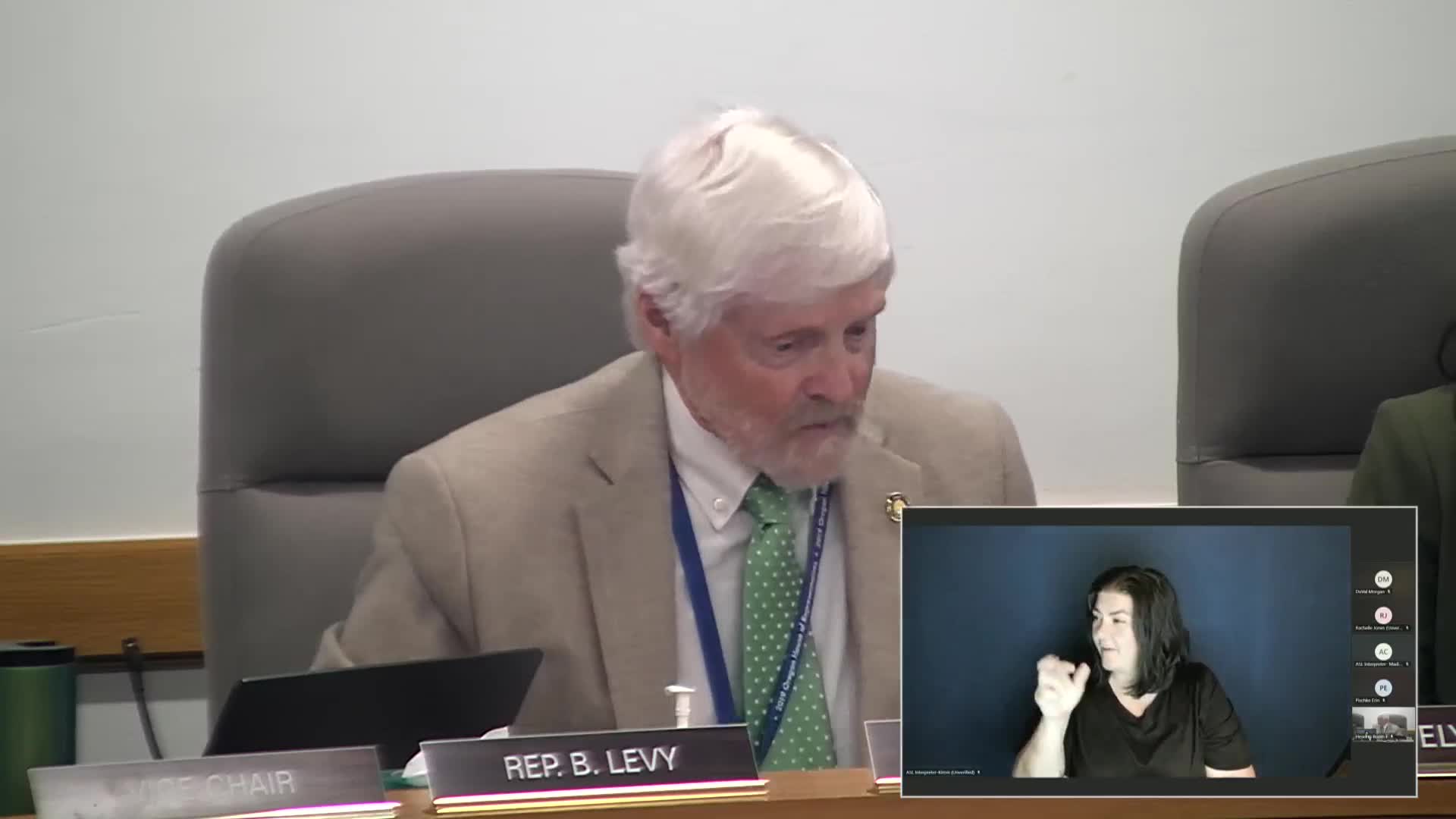
Opponents and some local witnesses raised concerns about public safety and unintended impacts. Representative Levy said she feared the bill could increase immediate cash availability that can be used to buy illicit drugs, linking bottle redemption cash flows to drug dealing in downtown Portland. Anne Naughton, a downtown Portland business owner, described conditions near an existing depot and said, “We've got tents surrounding the bottle drop. We have people passed out in the bus shelter right there.” Representative Marsh voiced concern about changing retail obligations in places such as Medford, where walking distance and public-transport limitations could make access to a redemption center impractical for some customers.
Supporters said the bill includes steps intended to reduce those harms: the alternative access sites would be limited by statute to jurisdictions over 500,000 in population (the bill’s Portland pilot), alternative access sites would generally operate 8 a.m.–6 p.m., and the provision that allows convenience stores in those zones to reduce hours would be eligible for an emergency clause so the Portland pilot could begin operating that summer. Amanda Dalton said retailers and OBRC have negotiated a funding approach in which large retailers inside the convenience zone would split operating costs for an alternative access center with OBRC, with each paying 50% of the annual operations expense for the site.
The bill also contains process changes: OBRC applicants for new redemption centers would be required to notify the local legislator(s) of their community engagement plan and the OLCC application would codify public notice and comment practices used by the agency. Representative Travis Nelson credited section 9 of the bill with creating “transparency, respect for community voices, and a thoughtful approach to decision making” around siting.
The committee did not take a vote on the measure in the May 8 hearing; sponsors and supporters said they plan additional stakeholder work and outreach. OBRC and grocery retail representatives emphasized the bill is intended as a pilot for Portland and a data-driven first step toward a longer-term five-year plan for statewide modernization.
Background and immediate next steps: Senator Sahlman told the committee the measure passed the Senate Energy and Environment Committee unanimously and the Senate floor by 28–1. Witnesses asked the House committee to carry the hearing to allow additional in-person testimony and technical follow-up; Chair Lively closed the morning’s hearing and moved the second item onto the record.
Ending: Committee members asked several staff and witness follow-ups on siting, funding, and public-safety mitigation strategies. Supporters asked for time to present follow-up details on funding agreements with the People’s Depot and on OBRC’s outreach metrics for increasing green-and-blue bag participation; opponents asked for evidence the pilot would not move public-safety problems into surrounding neighborhoods. The bill will return to committee for further consideration.