Get Full Government Meeting Transcripts, Videos, & Alerts Forever!
Get email alerts on the Public Labor Law topic
No spam. Unsubscribe anytime.
Committee adopts amendment to HB 2944A to narrow civil-penalty waiver; bill to floor with due-pass
Summary
House Bill 2944A as amended would allow the Employer Relations Board to impose civil penalties on public employers for repeat violations of certain PECPA obligations, with a narrowly drawn waiver for catastrophic disruptions.
House Bill 2944A would direct the Employer Relations Board to impose specified civil penalties against public employers for repeat or subsequent violations of certain requirements of the Public Employee Collective Bargaining Act (PECPA) and would set deadlines for remitting authorized deductions to labor organizations.
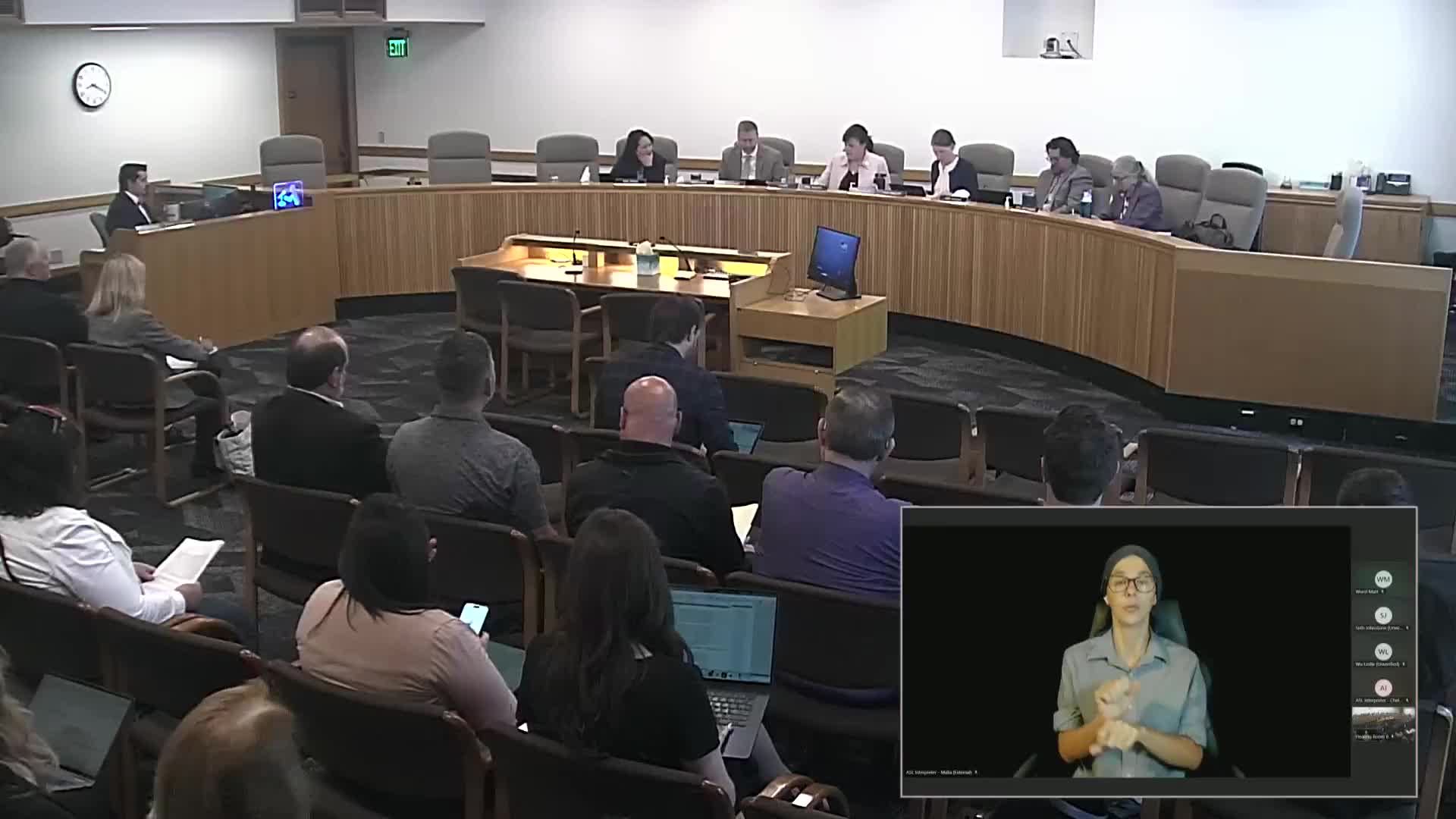
On May 8 the committee considered an A7 amendment that creates a narrow waiver of the civil penalty where the employer establishes the violation resulted from a natural disaster, computer crime, or destruction by fire, flood or other catastrophic event at the employer’s place of business that significantly disrupted operations related to the violation. Committee staff described the A7 amendment as having no revenue impact and a minimal fiscal impact.
Sen. Bonham thanked Oregon AFSCME and city representatives for negotiating language and said the amendment narrowed overly broad language in earlier versions. The committee adopted the A7 amendment by voice vote after discussion. A motion to send the bill as amended to the Senate floor with a due-pass recommendation carried by no objection; Chair Taylor said she will carry the bill.
Under the amended measure the public employer must make authorized deductions and permit payment to the labor organization within a payroll processing timeline not exceeding 30 calendar days after the date of deduction. Supporters told the committee the amendment strikes a compromise that protects organized labor’s collection rights while allowing relief in catastrophic circumstances.