Get Full Government Meeting Transcripts, Videos, & Alerts Forever!
Get email alerts on the 340b Pharmacy Access topic
No spam. Unsubscribe anytime.
Hospitals, advocacy groups clash over bill to bar manufacturer limits on 340B contract pharmacies
Summary
House Bill 2385 A would forbid drug manufacturers from restricting a pharmacy’s ability to acquire or dispense 340B drugs for covered entities. Hospitals and safety‑net advocates said the bill would restore prior practice and protect community access; bioscience and industry groups warned of risks to investment and oversight.
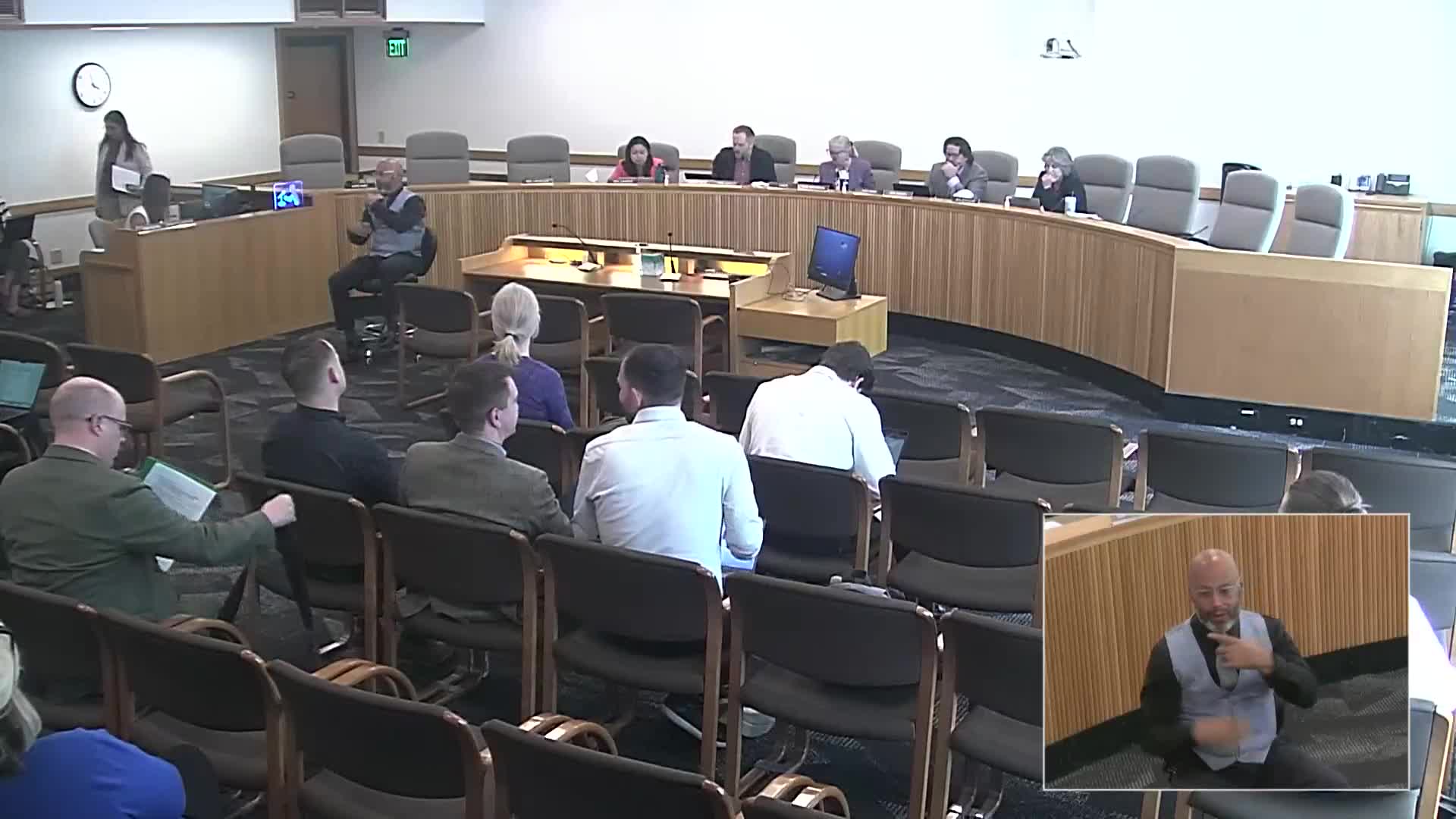
The Senate Committee on Healthcare on May 8 reopened public testimony on House Bill 2385 A, which would make it an unlawful trade practice for drug manufacturers to take actions that restrict or interfere with a pharmacy’s ability to acquire or dispense 340B drugs when the pharmacy has a contract with a covered entity such as a federally qualified health center or safety‑net hospital.
Supporters — including hospital representatives and safety‑net advocacy groups — argued manufacturers’ recent restrictions on contract pharmacies have diverted 340B savings away from local programs that serve vulnerable patients. Travis Mavison of the Hospital Association of Oregon said restoring broader access to contract pharmacies helped hospitals support services and maintain local pharmacy access in rural communities.
Opponents included the Oregon Bioscience Association, which argued the bill could redirect funds from research and development and deter investment in the state’s bioscience sector. Julie Black, director of member services for Oregon Bio, said policy changes should be grounded in “thorough research and collaboration with industry stakeholders.”
Community‑focused advocates warned some contract pharmacy models concentrate revenue and pharmacy access outside the communities 340B was intended to serve. Calvin Pugh of Community Access Network said expanding unconstrained contract pharmacy access can reduce competition, lead to pharmacy consolidation and divert funds away from patient care; he cited an IQVIA estimate (submitted for the record) that Oregon may currently lose $131 million in rebates and that figure could rise to about $166 million under the bill’s terms.
Robert Popovian of the Pioneer Institute testified he is neutral and urged more state‑level data collection before statutory action; he cited RAND and HRSA sources in his analysis and said charitable care percentages for Oregon hospitals are below the national average.
Committee members asked clarifying questions about whether the proposal preserves current patient access to contract pharmacies and about data sources; several witnesses agreed to file supporting documentation for the record. The hearing was closed with no committee vote recorded.