Get Full Government Meeting Transcripts, Videos, & Alerts Forever!
Get email alerts on the School Budget topic
No spam. Unsubscribe anytime.
Bethlehem Central holds public hearing on 2025-26 proposed budget; board previously adopted the proposal
Summary
The Bethlehem Central School District held a required public hearing on the 2025-26 proposed budget, reviewed revenue drivers including pilot payments and state aid, and discussed the board’s prior decision to adopt a proposed budget and related ballot propositions.
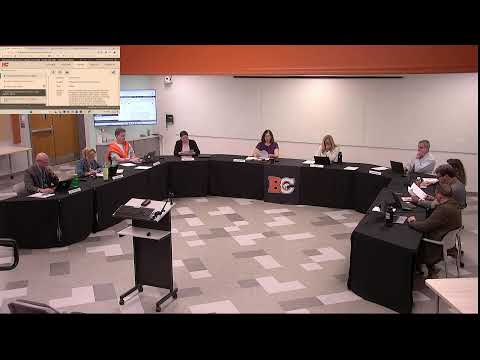
The Bethlehem Central School District Board of Education held a public hearing on the proposed 2025-26 budget, reviewing revenues, planned expenditures and ballot items that voters will decide on May 20.
The hearing included a detailed overview of the district’s projected revenues and expenditures and an explanation of how the business office planned to use roughly $715,000 of undesignated fund balance to close a funding gap for 2025-26. The board previously adopted the proposed budget on April 2, which the presenter said will appear on the May 20 ballot with a not-to-exceed spending cap for the voters to approve.
The presentation said the district expects roughly $59.3 million in salaries and about $30.9 million in fringe benefits for 2025-26 and that debt service is down about $1.4 million from the prior year. The presenter described a projected districtwide increase of roughly 2.3% in spending (about $2.6 million year‑over‑year) and said the tax levy increase is 1.12%, the maximum allowed under the property tax cap law. The presenter attributed much of the district’s fiscal stress to inflation, noting a four‑year compounded inflation rate of roughly 21% the district has absorbed in part through internal savings and management decisions.
On the revenue side, the presentation highlighted three major components: school taxes (just under $74 million as the largest source), state aid (projected at about $34.6 million), and sizeable pilot payments. The presenter said anticipated pilot revenues increased substantially during the budget process after an agreement was reported involving GB 2 New York LLC and the taxing jurisdictions; the pilot estimate rose from about $163,000 to roughly $3.6 million. The presenter also discussed interest and earnings (about $3.7 million in other revenues) and cautioned that those estimates depend on federal funds rate assumptions.
Because projected revenues were about $715,000 short of projected expenditures, the business office recommended and the board adopted using that amount from undesignated fund balance to balance the 2025-26 budget. The presentation explained the $715,000 largely reflects shifting an unexpected, one‑time pilot payment received in 2024-25 into 2025-26 and described the need to address structural budget gaps in future years.
The presentation also described additions and reductions made during the budget process: increases for programs such as Bookworms and BOCES library services, an increase for phase two of employee‑record digitization, a general fund transfer including additional support for food service and capital, and $22,750 for electric‑vehicle bus charge management. Reductions were stated to be tied to current vacancies rather than layoffs—examples included a social worker, speech therapist and clerical position in student support services and a decrease tied to five drivers and three attendants in transportation because of recruitment and retention realities.
Board members asked about electrification of the bus fleet, the status of EPA grant funding, and the process the district would follow if state or federal funding changes required budget amendments. The presenter said some grant awards that had been suspended were later released and that three electric buses previously ordered will receive $200,000 per bus in EPA funding; other applications remain pending. The presenter said routine in‑year budget adjustments are handled by the business office but that significant revenue shortfalls would be brought to the board with recommendations for using reserves or other actions.
The public hearing was opened and closed with no public speakers. The presenter reviewed voting logistics for May 20, absentee and early voting deadlines, and candidate information for two open board seats.
The board’s presentation materials and ballot propositions remain available on the district website for voters ahead of the May 20 vote.