Get Full Government Meeting Transcripts, Videos, & Alerts Forever!
Get email alerts on the Massdot Highway topic
No spam. Unsubscribe anytime.
MassDOT highway administrator outlines $2 billion annual capital program and supports automated enforcement for work‑zone safety
Summary
Jonathan Gulliver, state highway administrator, described MassDOT Highway Division's size and capital program, chapter 90 and municipal grants, and said automated enforcement is among tools the department will use to address increasing serious injuries and work‑zone fatalities.
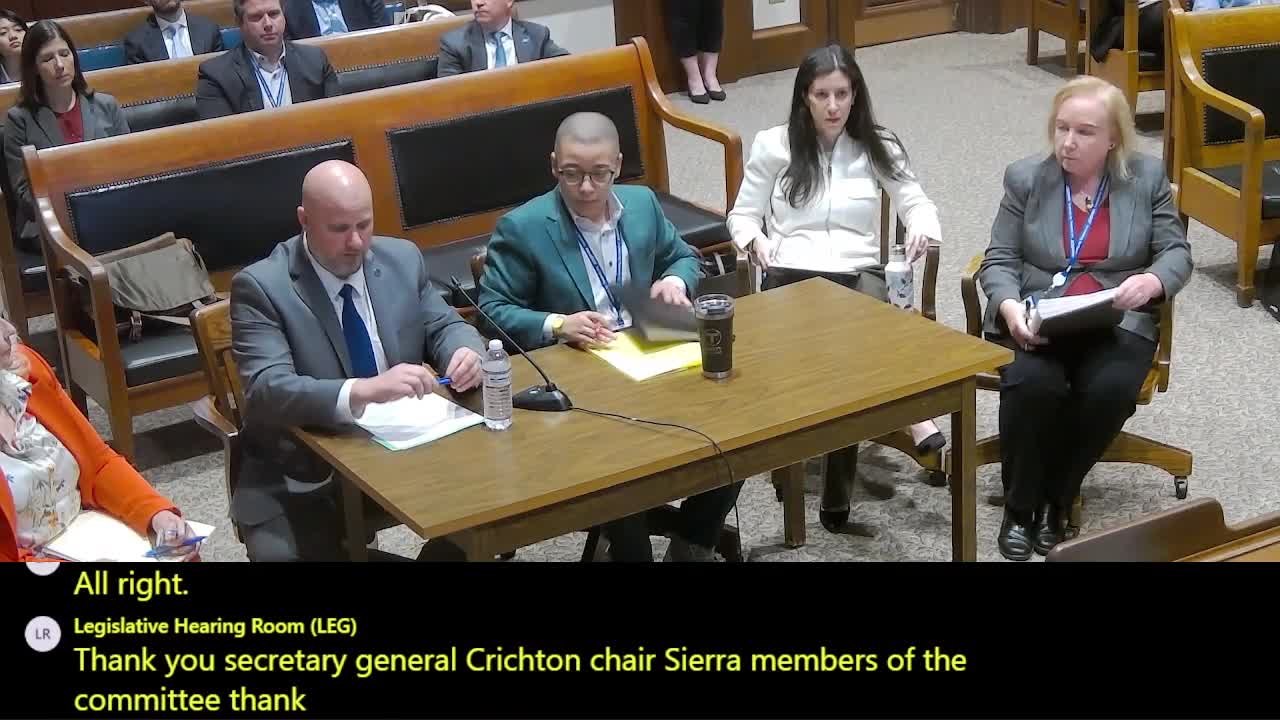
Jonathan Gulliver, MassDOT’s state highway administrator, gave the committee an overview of the Highway Division’s responsibilities and capital program, reporting that the division manages nearly 10,000 lane miles of state highway, more than 5,000 bridges, and a capital program that exceeds $2 billion in annual spending.
Gulliver told the committee the highway division currently has nearly 700 active maintenance and construction contracts, totaling just under $7 billion in work planned for 2025, and that the department works across six district offices providing chapter 90 funds and municipal grant programs. He described a new grant portal, “Grant Central,” which the division launched to make municipal grants easier to apply for and manage.
When asked about automated enforcement, Gulliver said the department has experienced deadly work‑zone incidents and views automated enforcement as one tool among many to improve work‑zone safety. He said the state has seen increases in serious injuries and fatalities since the pandemic and described MassDOT’s emergency response, winter operations and efforts to modernize delivery through process improvements.
Committee members raised concerns about access to municipal grants, particularly for rural towns applying for Complete Streets funds that are reimbursable and require in‑person training. Gulliver acknowledged the barriers and said MassDOT staff — including a municipal grants team — will review whether program design (reimbursable vs. upfront grant) and application rules could be adjusted to improve access for smaller towns.
Gulliver emphasized safety, workforce recruitment and ongoing coordination with municipalities as priorities for the highway division.