Lifetime Citizen Portal Access — AI Briefings, Alerts & Unlimited Follows
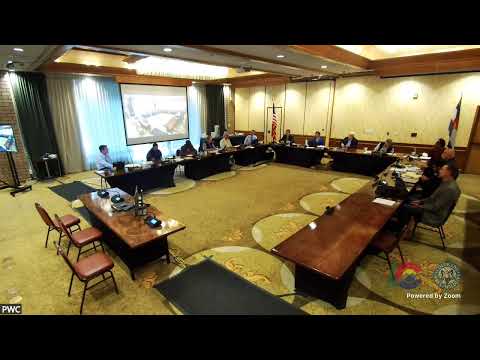
Commission tables wolf damage claim after debate over veterinary labor payments; asks staff to review compensation rule
Loading...
Summary
The Colorado Parks and Wildlife Commission on May 15 tabled a wolf depredation compensation claim after debate over whether the agency may reimburse producer labor for on‑site veterinary care; staff had recommended $2,107.41 and the claimant sought $2,542.41.
Travis Black, regional manager for the Northwest Region, brought a livestock depredation claim from Mr. Gittleson (the claimant) to the commission for review. The claim covered two wolf‑caused incidents; CPW staff said they agreed with most of the claim but disputed $435 that represented the claimant—s labor for extended on‑site veterinary care. Staff identified a minor math error and said the agency—s payment recommendation was $2,107.41; the claimant sought $2,542.41.
Mr. Gittleson described providing three months of on‑site care for a wounded heifer that later survived and produced a calf. He told the commission he consulted a veterinarian on treatment and charged $15 per hour for labor. "My labor rate on it was only $15 an hour," he said, and added that a full veterinary approach would have been much more expensive.
Commissioners discussed policy and precedent. Several commissioners, including Chair Jeremy May and Commissioner Bailey, commended Mr. Gittleson—s care but noted current CPW rules limit reimbursement to licensed‑veterinarian expenses. The commission—s legal adviser quoted the regulation (identified in the meeting as a provision in rule 171 D) stating that only licensed veterinarians— expenses are eligible. Commissioners said the wolf program was intended to be adaptive and asked whether the rule should be revised so that producer‑provided veterinary care done under veterinary direction could be eligible.
Counsel explained the effect of a settlement offer: if the commission made a settlement payment and the claimant cashed it, that would bar further claims on the same depredations. Commissioners debated whether to treat the matter as a settlement to secure prompt payment or to table it while pursuing a rule change. Mr. Gittleson told the commission he would be willing to let the question be resolved later and that he did not need immediate payment.
Motion and vote: Commissioner Reedy moved and Commissioner Otero seconded a motion to table the claim pending staff and counsel review. The commission took a roll‑call vote; the motion to table passed (majority yes; Commissioner Haskett abstained). The commission did not approve the disputed labor charge, and no settlement was executed.
Next steps: Commissioners asked staff and legal counsel to return with recommended regulatory changes and documentation standards (for example, what constitutes veterinary direction, whether producer labor can be certified, and appropriate evidence standards) before similar claims are adjudicated. The commission indicated it would add discussion of the relevant rule language to the next meeting agenda.