Get Full Government Meeting Transcripts, Videos, & Alerts Forever!
Get email alerts on the Photo Enforcement topic
No spam. Unsubscribe anytime.
Mesa council asks about photo‑enforcement upgrades as state bills to ban photo radar stall
Summary
Council members discussed a proposed update to photo‑enforcement equipment and two state bills that could eliminate photo radar; staff said contracts include termination language if state law changes and that the two bills introduced this year are currently stalled
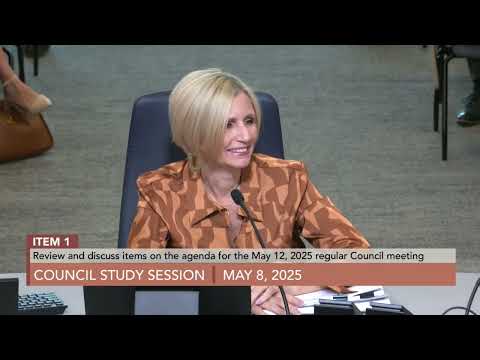
Mesa council members asked about a planned upgrade to the city’s photo‑enforcement equipment and whether state legislation could force the city to discontinue the program.
Council member Go forth noted the agenda item to replace outdated photo‑enforcement equipment and asked whether any new sites were planned. City staff said the priority for photo radar is school zones and high‑risk intersections and that two new school‑zone locations are part of the planned deployment.
Council members also raised recent state legislative activity that could prohibit photo radar. Scott, a city staff member following the bills, said two bills introduced this year proposing changes to photo‑enforcement have been “stalled for about the last month or so” and the legislature was adjourned for a short break, so there was no immediate movement.
Council members asked whether the city’s contract with the photo‑enforcement vendor includes protections if state law changes. City staff said the city extended the existing contract for a limited period to monitor legislative progress and that the contract “allows us to terminate if it's no longer permitted.” A council member confirmed that if the state banned photo radar, the city would not be able to collect fees and the contract would terminate, and that there would be no call on the general fund as a consequence of a statutory ban.
Staff committed to follow up with the police department to answer constituent questions and to provide council members with additional details on proposed new sites, enforcement coverage and contract terms. No formal action was taken during the study session.
Council discussion also referenced intergovernmental issues: if the state adopts a ban it would supersede local authority to operate photo‑enforcement cameras and the city’s contract provisions would control how the vendor relationship ends.