Get Full Government Meeting Transcripts, Videos, & Alerts Forever!
Get email alerts on the Governance Open Meetings topic
No spam. Unsubscribe anytime.
County staff review Utah Open Meetings Act with planning commission, stress notice rules and limits on deliberation
Summary
At the May 8 meeting Morgan County staff gave the planning commission a training on the Utah Open Meetings Act, emphasizing 24‑hour notice on the Utah Public Notice website, the difference between deliberation and action, limits on email exchanges and the risk that improperly noticed decisions can be voided.
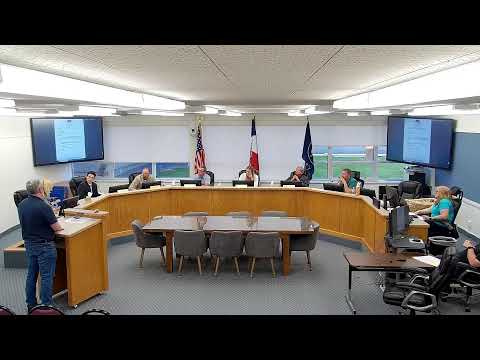
Morgan County staff led a training for the planning commission on May 8 about the Utah Open Meetings Act and county practice, focusing on transparency, public‑comment rules, notice requirements and enforcement.
Counsel and county staff reviewed key statutes and practical points, including that the legislature has declared an intent that state agencies and political subdivisions “take their actions openly and conduct their deliberations openly.” Staff emphasized that a meeting requires a quorum and that decisions taken without proper notice may be voidable and subject to a 90‑day challenge period for most land‑use actions.
Janet, county counsel, and other staff explained that the law requires at least 24 hours’ public notice on the Utah Public Notice website and that the annual meeting schedule should be posted. They noted a recent canceled meeting when the item lacked the required 24‑hour posting. Counsel also explained the limited circumstances for closed sessions, citing Utah Code 52‑4‑205.
Staff addressed how commissioners should handle public comment and emails from residents. They advised that public comment may be discussed at the meeting but that commissioners may not take final action on items not properly noticed. Josh said emails transmitting information are permitted when the body is not convened, but cautioned against using emails to deliberate or predetermine votes: “You can send emails, but what I would discourage you from doing is predetermining, a decision, right, or deliberating.”
Staff also advised commissioners to avoid interpreting code for residents; the zoning administrator (Josh) is the official interpreter and will provide written interpretations that can be appealed under the county process. Counsel encouraged commissioners to err on the side of transparency and to use the chair to regulate comments during meetings.
The training included operational pointers — work sessions count as meetings, chairs can restrict disorderly behavior, and emergency meetings require unforeseen circumstances and as much notice as practicable. Counsel said the county attorney’s office enforces the Open Meetings Act and that improper notice or closed‑session misuse can invite legal challenge and attorney's fees for successful challengers.