Get Full Government Meeting Transcripts, Videos, & Alerts Forever!
Get email alerts on the Algorithmic Rent Fixing topic
No spam. Unsubscribe anytime.
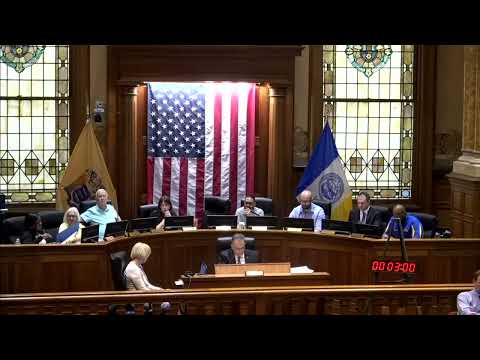
Jersey City council introduces ordinance to ban algorithmic rent fixing amid widespread tenant complaints
Summary
The Jersey City Municipal Council voted unanimously to introduce an ordinance to prevent algorithmic rent fixing after tenants and advocates told the council automated pricing tools have driven coordinated rent increases.
The Jersey City Municipal Council voted unanimously to introduce an ordinance to prevent algorithmic rent fixing in the rental housing market, responding to public testimony that automated pricing tools have inflated rents and undermined tenant protections.
The ordinance, introduced as City Ordinance 25‑057 and read into the record during first reading, “prohibits the use of specialized software and services designed specifically to coordinate pricing among what should be competing property owners,” Councilperson James Solomon said when the item was introduced. The council voted 8‑0 to introduce items 3.1 through 3.3, which included the rent‑fixing measure; the vote on introduction was recorded with Council President Waterman absent.
Tenant advocates and residents told the council the ordinance is needed to address what they described as systemic, algorithm‑driven price coordination. Kevin Weller, president of the Portside Towers East Tenant Association, told the council that “algorithmic pricing systems are being used to artificially inflate rents across our state,” and urged the council to act after the New Jersey attorney general filed a related lawsuit.
Multiple tenants from large buildings owned by institutional landlords described steep, often identical rent hikes and building‑service shortfalls. Jessica Brann, a scientist and Ward F tenant, said, “These pricing algorithms are not neutral. They are engineered to optimize revenue by leveraging shared data from competing landlords,” and described rent increases at her building that, she said, totaled more than 50% since 2021.
Speakers urged the council to preserve tenants’ ability to seek redress. Kevin Weller and others recommended a local ordinance to complement the state attorney general’s antitrust action, arguing municipal authority can provide enforcement pathways and private rights of action. Tenant advocates also warned of related code violations they say continue in some large properties, including absent 24‑7 uniform security and missing resident superintendents.
Council members noted the attorney general’s ongoing investigation and the need for careful legal review. At introduction, staff indicated the law department would continue reviewing the ordinance language and provide a memo before second reading.
The ordinance would not prevent landlords from setting rents based on their own independent analysis, according to sponsors; it targets software and services that aggregate competitor data for coordinated pricing. Supporters said the measure is narrowly tailored to prohibit algorithmic collusion without restricting ordinary business decision‑making.
The council will consider the ordinance again at second reading after the law department completes its review and provides additional guidance.
If adopted, the ordinance would join related local and state discussions about algorithmic pricing, tenant protections and enforcement. For now, the council’s introduction puts the city on record seeking to limit the use of algorithmic tools that residents and tenant groups contend have contributed to rising rents.