Get Full Government Meeting Transcripts, Videos, & Alerts Forever!
Get email alerts on the Energy Aggregation topic
No spam. Unsubscribe anytime.
Moraine council agrees to hold public hearings on potential natural-gas aggregation program
Summary
Council authorized two public hearings on joining a regional natural-gas aggregation program, after city staff described how aggregation could reduce volatility though not guarantee month-to-month savings.
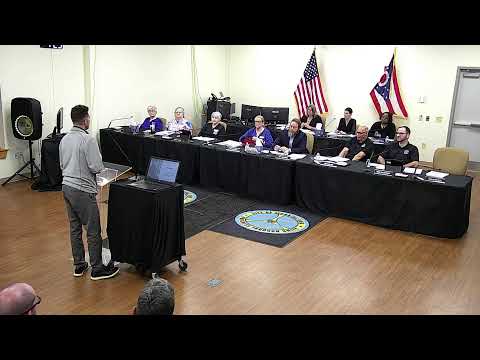
MORAINE, Ohio — The Moraine City Council agreed Thursday to schedule the two public hearings required by the Ohio Revised Code before the city would consider joining a regional natural-gas aggregation program run through the Miami Valley Communications Council (MVCC) and managed by Palmer Energy.
City Manager presented the proposal and recommended holding the hearings to preserve the city’s ability to participate in gas aggregation in the future; council members then voted to set the hearings. Council made the decision by roll call after brief discussion and will schedule the two hearings with the statutory two-week public-notice period.
Why it matters: Natural-gas aggregation would allow Moraine to combine the buying power of multiple jurisdictions so a contractor can solicit a single rate for a large customer base. City staff said aggregation can shield residents and small businesses from sudden market swings, but it does not guarantee savings every month because gas prices fluctuate.
City Manager told council that Palmer Energy — the contractor used previously for the city’s electric aggregation — and the MVCC (also referred to in the presentation as NBCC/MVCC) can run a gas aggregation program for participating jurisdictions. The city manager said one council member reported a currently locked retail rate of 0.0699 (per therm) through Ohio Natural Gas while the proposed 20‑month aggregation offer discussed in the presentation would price gas at 0.07069 per therm. The city manager emphasized that aggregation is an opt‑out program: all customers in participating jurisdictions would be included automatically but could opt out without a fee.
Council members asked whether the aggregation rate would include delivery or other fees and were told the proposed bid would be an ‘‘apples‑to‑apples’’ quote; the presented 0.07069 figure would be the locked commodity rate if the city later joined the program. The city manager also noted that the electric aggregation currently in place will expire at the end of the year and that staff and the MVC are negotiating follow‑on electric terms.
Outcome and next steps: Council moved and approved a motion to schedule the two public hearings required by Ohio law; the hearings will include a Palmer Energy representative to answer resident questions. No ordinance to join an aggregation was adopted at the meeting; holding the hearings preserves the option to bring legislation later.
Discussion versus decision: The hearing‑scheduling motion is a procedural decision to comply with the Ohio Revised Code’s public‑hearing requirements. Council did not vote to enter into a gas aggregation contract at this meeting and did not set a final contract term or effective date.