Get Full Government Meeting Transcripts, Videos, & Alerts Forever!
Get email alerts on the School Budget 2025 26 topic
No spam. Unsubscribe anytime.
Mount Vernon proposes $272.2 million budget, seeks 3.3% tax levy to address fiscal distress and close three schools
Summary
Mount Vernon City School District officials on Tuesday presented a proposed $272,206,615 budget for 2025–26 and asked voters to approve a 3.3% increase in the property tax levy, saying the measure is needed to stabilize district finances after years of deficits and steep cost increases.
Mount Vernon City School District officials on Tuesday presented a proposed $272,206,615 budget for 2025–26 and asked voters to approve a 3.3% increase in the property tax levy, saying the measure is needed to stabilize district finances after years of deficits and steep cost increases.
"We were designated in fiscal distress," Assistant Superintendent for Business Jose Formoso told residents at the public hearing May 6, summarizing a multi-pronged plan of reorganization, contract budgeting and state aid requests aimed at restoring fiscal stability.
The budget presentation said the district has run annual operating deficits most years since 2019, drawing down fund balance from about $33 million in 2019 to a projected total of less than $1 million at the end of this year. Officials said projected 2024–25 expenditures will end near $278 million, compared with this proposed 2025–26 budget of $272,206,615 — an increase of $940,298 over the current adopted budget and a 3.3% property tax levy change.
Why it matters
Formoso and district slides cited several structural pressures: a sustained enrollment decline (from more than 8,000 students in 2014 to about 6,500 now and a consultant projection near 5,000 by 2033), a roughly 40% increase in transportation contract costs after a recent bid (which officials estimated added about $7 million this year), and rising health insurance premiums (a reported 10% increase this year equal to about $3.2 million and an anticipated 8.94% increase next year adding roughly $3 million). Officials said personnel costs make up about 62% of the budget.
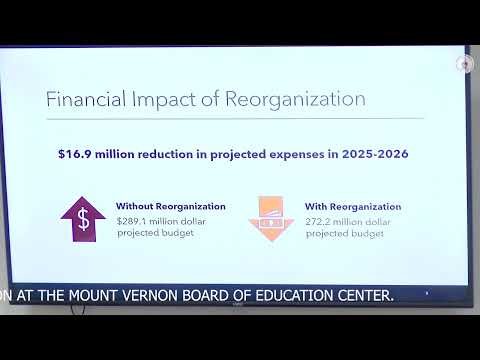
The proposed spending plan reflects a reorganization the district said reduces projected expenses from an illustrative $289.1 million "rollover" budget to the $272.2 million proposal — a roughly $16.9 million reduction tied to consolidating facilities and other measures. Formoso said that consolidation is one factor behind the decision to close three school buildings as part of reducing the district's operating footprint.
State aid, reserves and contingency options
The district said it is seeking a state "spin-up" (an advance of state aid) of about $8 million for this year; Formoso said that, if approved, the amount would be repaid over 30 years with a small annual reduction in aid thereafter (he cited an annual effect of roughly $240,000). The request is pending and contingent on the New York State budget process, which had not been finalized at the time of the hearing.
Formoso also described other actions under way: a multiyear financial plan being drafted with a third-party consultant (Capital Market Advisors), an efficiency study of transportation that early projections suggest could reduce costs by $1.5 million to $2 million, a facilities study to guide consolidation decisions and an ongoing state-aid review aimed at maximizing revenue.
Public concerns and program priorities
District officials said the proposed 3.3% levy would raise about $4.5 million in additional revenue and that revenue was explicitly budgeted to support negotiated contract settlements with bargaining units, preserve athletics, maintain prekindergarten and after-school programming, and sustain performing and visual arts. Formoso said the district included planned increases for bargaining units in the 2025–26 budget but added that final contract terms will depend in part on the outcome of the May 20 vote.
Multiple speakers at the hearing questioned the move from a decade of 0% tax levy increases to a 3.3% proposal, raised concerns about the timing and the short public comment window, and asked for more detail on negotiation figures and the plan for closed buildings. One resident described being "scared" on behalf of union members and asked when contract negotiations would begin; another, identifying themselves as an elected official, said long stretches of 0% increases left the district vulnerable. Residents pressed for additional public Q&A sessions; Formoso said the district would schedule further presentations and post materials and FAQs on the district's budget web page.
Financial specifics and clarifications
Key figures presented at the hearing included: a projected end-of-year 2024–25 expense total near $278 million; the 2025–26 proposed budget of $272,206,615; the stated $940,298 year-over-year increase; the two-budget comparison (a $289.1 million rollover scenario vs. the $272.2 million reorganization budget); transportation bid increases of about 40% equating to roughly $7 million this year; estimated fund balance decline from about $33 million (2019) to under $1 million projected by year-end; and the district's claim that BOCES-provided services generate roughly 56% aid on average. The district used a homeowner example based on the tax roll full market value figure of $555,000 to show the levy increase would add about $289 a year (about $24.15 per month) for that representative tax bill; Formoso clarified that the full market value figure shown is the value used on tax bills, not the appraised sale price of a home.
Process and next steps
Formoso reminded residents the Board of Education adopted the proposed budget at its April 23 meeting and that the public vote is scheduled for Tuesday, May 20, with polls open 7 a.m. to 9 p.m. He said the multiyear financial plan's first draft was expected this month but that the plan's assumptions and recommendations will depend on whether the tax increase is approved. He also said the district has contingency plans if state aid accelerations are not approved, and that if voters reject the budget in two attempts the district would be required to adopt a contingency budget that would eliminate equipment codes and likely reduce programs such as pre-K and athletics.
Residents asked for documentation and for more public hearings; Formoso said additional neighborhood and virtual presentations were scheduled and that the district would update the budget web page with an FAQ, slides and other materials. The district also encouraged residents to consult the budget book and to contact the district clerk with voting questions.
The proposed $272,206,615 school budget will be voted on by residents on Tuesday, May 20, 2025; the district posted polling locations and additional information on its website and encouraged community members to review the materials and attend scheduled budget presentations.