Get Full Government Meeting Transcripts, Videos, & Alerts Forever!
Get email alerts on the Parks And Recreation topic
No spam. Unsubscribe anytime.
Parks department seeks 11% FY26 increase, highlights new park rangers, APS joint‑use agreement and land acquisitions
Summary
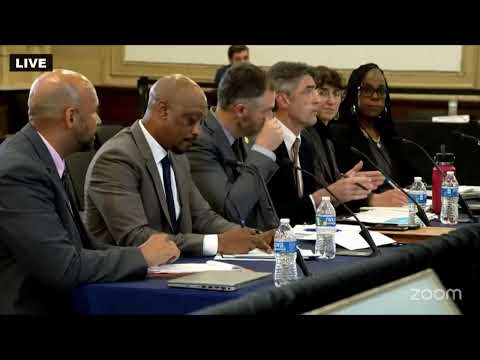
Justin Cutler, commissioner of the City of Atlanta Department of Parks and Recreation, told the City Council Budget Committee that the department’s proposed fiscal 2026 budget represents about an 11% increase from the prior year and emphasizes staffing, seasonal programming, utilities and expanded parkland acquisitions.
Justin Cutler, commissioner of the City of Atlanta Department of Parks and Recreation, told the City Council Budget Committee that the department’s proposed fiscal 2026 budget represents about an 11% increase from the prior year and emphasizes staffing, seasonal programming, utilities and expanded parkland acquisitions.
“This budget represents a 10.6% increase to personnel, supplies, and materials to keep pace with cost, cover increasing utility cost, and right size our budget to cover extra help for seasonal programming,” Cutler said.
Cutler highlighted several FY25 accomplishments and FY26 priorities. The department executed a joint‑use agreement with Atlanta Public Schools that expands community access to school playgrounds, gymnasiums and fields and allows APS reciprocal access to DPR pools, golf courses and tennis centers. The department estimated the agreement will save APS about $500,000 in potential rental fees while providing DPR access to at least six additional school gyms.
Cutler said Atlanta improved its ParkScore ranking in 2024, reporting its highest finish in the index since tracking began. He described investments made with park millage and other funds and a goal to grow park acreage to support recreational and natural areas. Cutler also said the department onboarded eight additional park rangers and hired a safety analyst to support camera systems and coordinate with public‑safety partners including the Atlanta Police Department, Midtown Blue and the Atlanta Downtown Improvement District.
On staffing and finances, deputy commissioner Doug Voss said DPR reports about 4,545 positions across account strings and noted a steady drop in the general‑fund vacancy rate from around 26% in FY23 to roughly 18.5% in the most recent slide. The department described a plan to reduce the number of funded but unfilled positions and to move some positions to park‑millage accounts. DPR said it expects to hire seasonal staff and lifeguards for summer programming and camp operations.
Budget director Henry Thompson described the FY26 proposal as aligning with mayoral priorities and an organizational staffing plan that includes both full‑time and seasonal resources to maintain parks, expand programming and cover rising utility and fleet costs. Thompson said the millage provides a major share of DPR capital improvement funding and that some maintenance items previously in the general fund have shifted to the park millage.
Council members pressed DPR for more detail. Council Member Collins and others asked about the new park‑ranger program, camera systems and whether rangers are sworn officers. DPR said Major Singh and Officer Jackson, both APD officers assigned through a recapture or detail, provide sworn law‑enforcement integration; the DPR park rangers are described as observers and coordinators who “call in” APD when law‑enforcement action is necessary.
Council members also asked for a breakdown of how park millage dollars have been spent and how they will be allocated in FY26; DPR said those capital details live in the trust and millage fund pages of the city budget and offered follow‑up presentations. Members raised operational requests including free or subsidized swim‑lesson scholarships, more frequent pressure washing at busy recreation centers, sound‑system upgrades, and renovation planning for Collier Heights Recreation Center. DPR committed to follow up on these service requests and maintenance items.
Several members asked about the department’s seasonal staffing and “extra help” lines. DPR said it hires hundreds of seasonal workers each summer, including roughly 100–120 lifeguards and several hundred camp staff for Camp Best Friends, and that the FY26 budget right‑sizes the extra‑help line to reflect past actual spending.
Forestry and maintenance questions included a reported backlog of about 12 prioritized trees awaiting removal and a larger but declining stump backlog; DPR said contracted crews continue to clear stumps while in‑house crews handle removals where feasible.
Committee members asked about capital projects and delivery timelines. DPR acknowledged delays on some park projects and said the department is assigning project managers for individual projects to improve communication and delivery; staff offered to provide a project list and to follow up with district council members on specific schedules.
No formal votes or ordinance actions were taken at the hearing. DPR said it will provide additional follow‑up material requested by council members, including a detailed accounting of park‑millage spending, schedule for capital projects, and staffing and compensation details.