Get Full Government Meeting Transcripts, Videos, & Alerts Forever!
Get email alerts on the Board Policies Byod topic
No spam. Unsubscribe anytime.
Board debates change to agenda‑setting language and BYOD rules; IT chief explains filtering process
Summary
Members debated replacing the word “inclusion” with “consideration” in the agenda‑preparation policy and discussed revisions to the BYOD/cell‑phone policy tied to Executive Order 33. Norfolk IT described same‑day white‑list procedures and Lightspeed filtering safeguards.
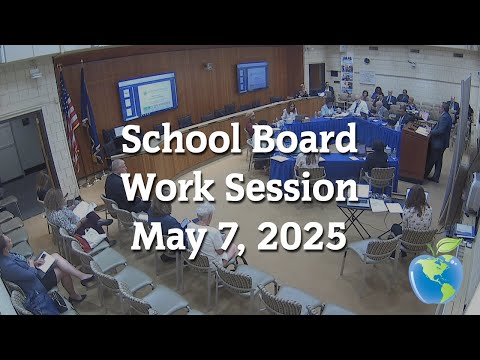
School Board members debated proposed wording changes to the agenda‑preparation policy and reviewed updates to device and cell‑phone rules at the May 7 work session, with district staff answering procedural and technical questions.
Colonel Poston raised concern about a policy edit that changes “inclusion” to “consideration” for future agenda items, telling colleagues the wording could reduce a member’s ability to have items placed on the board agenda. “Our business here as a body is free exchange of ideas,” Colonel Poston said, arguing that the change alters “how we conduct our business.” Other board members described their practice of seeking consensus on future items, and the chair and superintendent said the chair traditionally works with the superintendent to set agendas.
On technology policy, staff described two related items: proposed Board Policy GAB and regulations on Bring Your Own Device (BYOD) that were updated to align with Executive Order 33 concerning cell phones in schools. District staff summarized the change: student personal devices may be used before and after school but BYOD use is not permitted during the school day under the updated regulation.
Board members pressed practical questions about enforcement and access. One board member asked whether teachers or administrators will record cell‑phone policy violations and how many warnings are tracked before discipline; staff said discipline entries are recorded in the student information system (Synergy) by school administrators after a teacher issues a warning and reports the incident. The superintendent acknowledged the administrative burden and said she would work with the chief of staff and principals to streamline procedures.
Jesse Zimora, senior director of IT, described the district’s web filtering system (Lightspeed) and white‑listing process for blocked educational resources. “Any teacher that needs access to a website … can file the Help Desk or call (757) 628‑3900,” Zimora said; he told the board that white‑list requests can be handled quickly and that the division ranks among the most secure networks in the state following audit. Zimora also described a process whereby department or subject specialists can be allowed to validate and request white‑listing for specific resources (for example, art images) so teachers can access needed materials.
Board members asked staff to return the policies for a vote at the business meeting; staff said proposed text will appear on the business agenda for formal action.