Get Full Government Meeting Transcripts, Videos, & Alerts Forever!
Get email alerts on the Advanced Studies Diploma topic
No spam. Unsubscribe anytime.
Norfolk schools report cohorts off track for Advanced Studies diplomas; district outlines remediation steps
Summary
Norfolk Public Schools officials told the School Board that the classes now tracked for 2026 and 2027 are behind district targets for earning Advanced Studies diplomas and outlined remediation, scheduling and family‑engagement steps intended to improve outcomes.
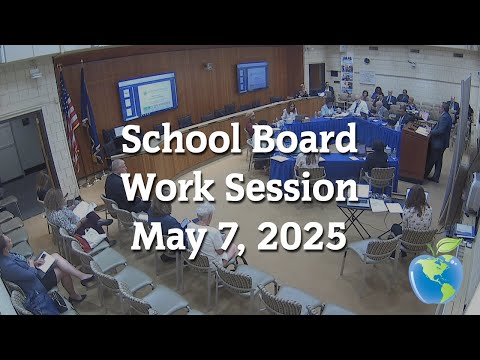
Norfolk Public Schools officials told the School Board on May 7 that two student cohorts are off track to meet district targets for Advanced Studies diplomas and described steps the division will take to increase verified credits and course access.
At the work session, staff member Dr. Pohl said the district’s Goal 5 aims for graduates to meet the state average for Advanced Studies diplomas by the class of 2027. “Goal 5 is focused on graduates receiving Advanced Studies diplomas, and the goal is to meet the state average by the class of 2027,” Dr. Pohl said.
The presentation separated the goal into two measures. Measure 5.1 tracks the 2027 cohort, with a target of 47% by the end of the school year; staff reported the cohort declined 0.6 points from quarter two to quarter three and is currently “off track” under the district’s metric. Dr. Pohl said the 2027 cohort’s failure rate in mathematics is 4.9 percentage points better than the division average and in social studies is 7.1 points better; English and science are the subjects of highest concern. The 2027 group is “11 points below their target for quarter 3,” Dr. Pohl said.
Measure 5.2, tracking the 2026 cohort (rising seniors), has a goal of 35% for this school year. Staff reported a 0.1 point increase from quarter two to quarter three but said the cohort remains “off track” and is 5.2 points below the target. Dr. Pohl noted a slight rise in students failing math (1.1 percentage points) and history (0.9 points).
Board members asked for context and details. One board member, citing the Virginia Department of Education, walked through graduate counts and the proportion who received Advanced Studies diplomas in recent years, saying the share “is going down.” The same board member asked about access for students from historically underserved communities; Dr. Pohl described course‑offerings decisions tied to student requests, use of Zoom to share scarce course sections between schools, and expanded options through Virtual Virginia so students may take single online courses without enrolling in a full virtual academy.
On interventions, Dr. Pohl said content offices will expand remediation to help students earn verified credits (the combination of course credit and SOL passage required for some diploma elements), schools will provide opportunities to submit missing work, and school counselors and councils are reviewing course selections to improve students’ eligibility for Advanced Studies diplomas. He emphasized earlier intervention—particularly exposure to world language courses in middle school and ninth grade—and added that next year’s 4x4 schedule could make it easier for students to double up on language courses and return to an Advanced Studies pathway.
Board members asked for subgroup and school‑level breakdowns; Dr. Pohl said the district’s data warehouse (PowerSchool) can produce demographic and school‑by‑school reports and that the strategic‑plan reports include demographic breakdowns of access to AP, IB and dual‑enrollment opportunities.
The board did not take formal action on the report. Officials said they will continue remediation, tutoring partnerships with universities, targeted professional development for teachers, and academic‑career planning intended to reengage students and increase the percentage on track for Advanced Studies diplomas.
Looking ahead, staff reiterated that many students now being tracked for the Advanced Studies diploma were in middle school during the COVID pandemic—an influence the presenters cited in explaining lingering course gaps—and that district leaders expect multi‑year efforts (including middle school focus and schedule changes) will be required to move cohort percentages toward the targets.