Get Full Government Meeting Transcripts, Videos, & Alerts Forever!
Get email alerts on the School Locking Devices topic
No spam. Unsubscribe anytime.
Debate over classroom locking devices: vendors tout quick barricade tools; architects warn of code, ADA and safety conflicts
Summary
Vendors and some school districts urged the committee to allow temporary door locking devices to improve shelter‑in‑place security, while architects and building experts warned the bill could conflict with building, fire and ADA codes and lead to misuse.
Witnesses described competing views on legislation to permit temporary door locking devices in public buildings. Supporters said the portable devices provide a fast, simple way to secure classrooms during an active‑shooter event; opponents, including AIA Massachusetts, warned of conflicts with building and fire codes and concerns about misuse and accessibility.
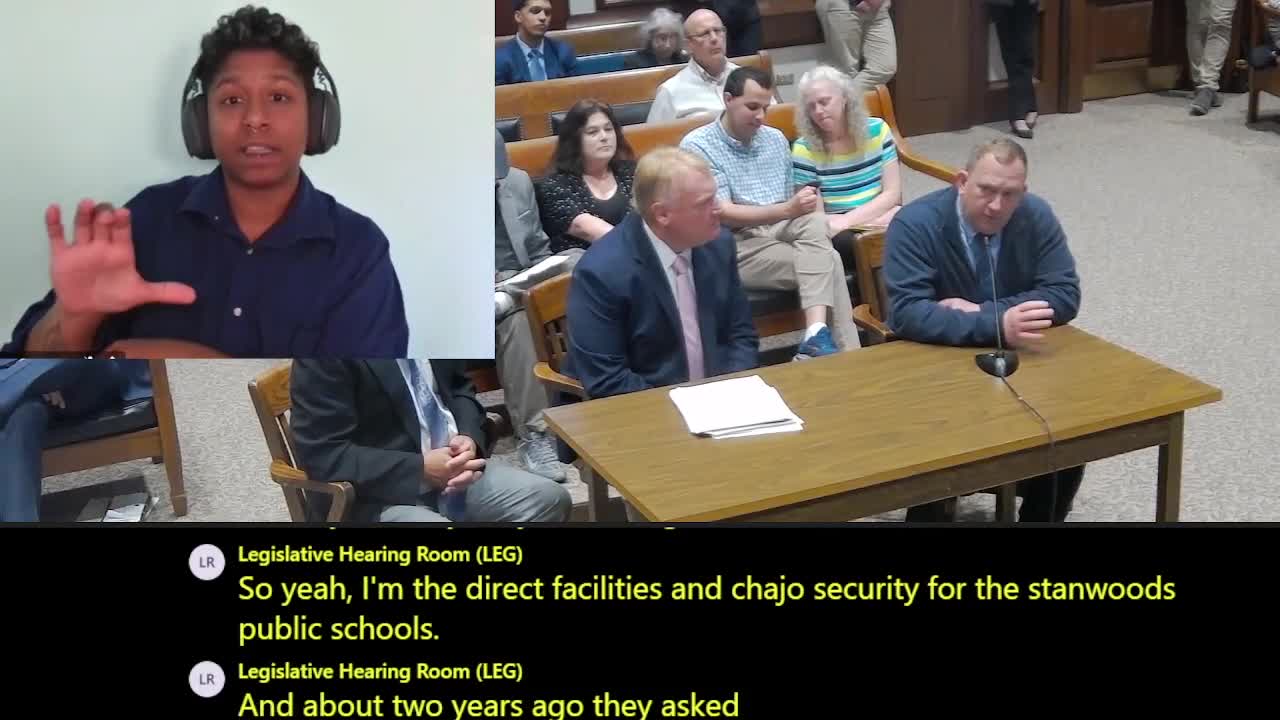
What proponents said: Chris George (Sandwich Public Schools) and Jack Taylor (Nightlock) described a removable wall‑mounted device that can be deployed quickly to secure a classroom door during an active threat and removed for evacuation. Taylor said the device is “not attached to the door” and is used only in emergency situations; it can be removed from a wall box, slid into a slot and later taken out for normal egress. Proponents argued the hardware complements existing ALICE (alert, lock, inform, counter, evacuate) training and reduces the need for improvised barricades.
What opponents said: John Nunnari of AIA Massachusetts testified that the proposal raises multiple concerns: devices may violate federal ADA requirements (one‑handed operation without tight grasping, force limits, and mounting height), could block required egress in some building configurations, and may conflict with state building (780 CMR) and fire (527 CMR) codes. The American Institute of Architects recommended further review, targeted amendments, or study to avoid unintended risks and legal noncompliance.
Discussion vs. decisions: The vendor demonstrated the device and supporters pointed to other states’ adoption; the AIA and other technical witnesses urged careful code review and limited pilots or amendments. No committee vote was recorded; the matter remained under committee consideration.
Ending: Lawmakers heard both operational endorsements and technical safety warnings. The record shows a split between proponents who emphasized immediate life‑safety benefits in an active‑shooter response and building professionals who urged code‑compliant, evidence‑based adoption to prevent new hazards.