
Assembly reviews alcohol-tax guidance, highlights transparency steps and strategic plan
Get AI-powered insights, summaries, and transcripts
Subscribe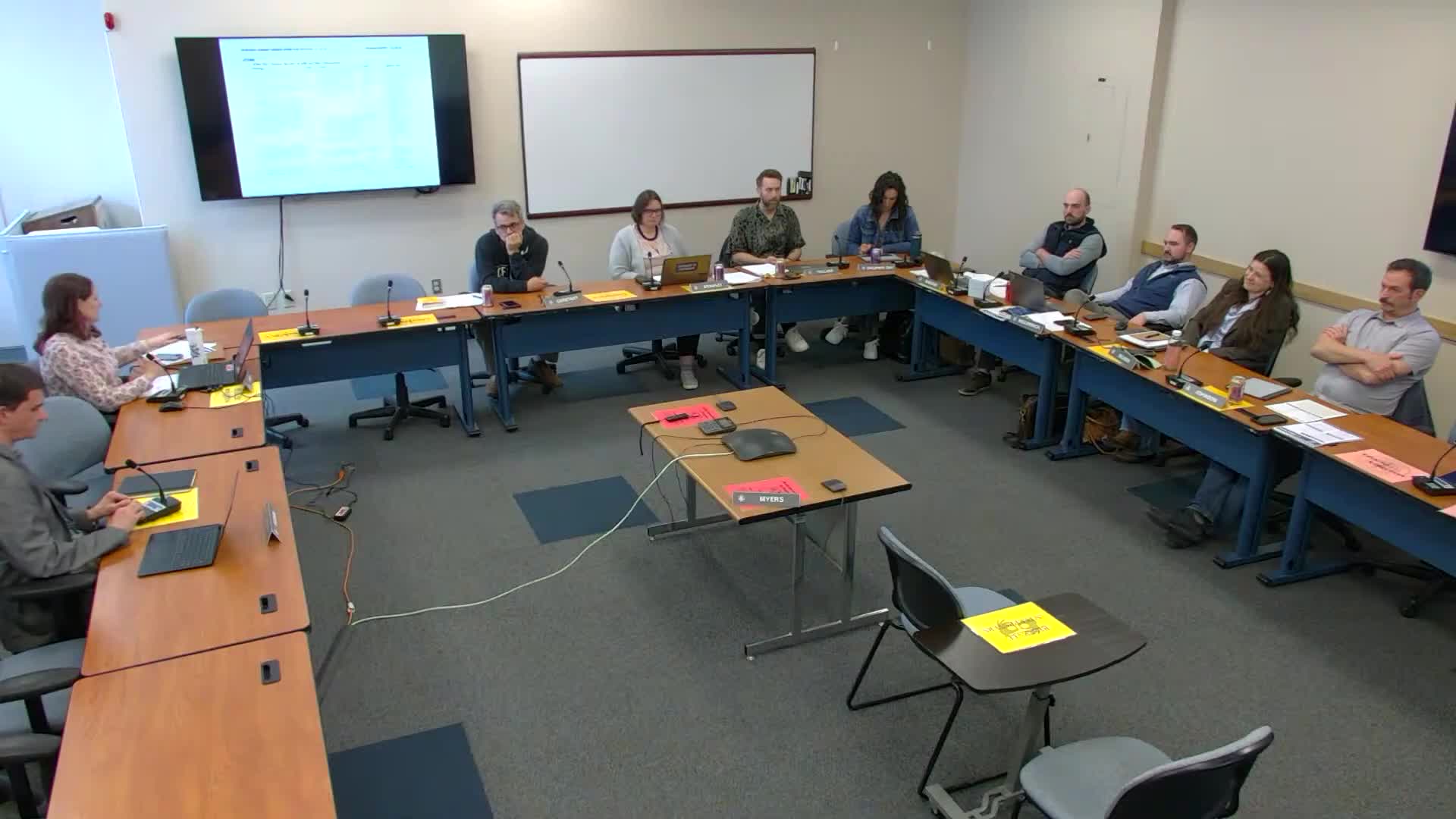
Summary
At the May 2 work session the Anchorage Assembly received a briefing on its adopted guidance for alcohol-tax spending, reviewed a shorter executive summary of a community strategic plan by Agnew Beck, and noted two implemented transparency items: an annual communications plan and required annual reporting on alcohol-tax expenditures.
The Anchorage Assembly reviewed its adopted guidance and an executive summary of a community strategic plan for the municipality’s alcohol-sales tax during a May 2 work session.
Chair Christopher Constant described the guidance as an Assembly expression of priorities for how alcohol-tax revenue should be used and noted the tax funds services required by the municipal charter. “This guidance here on the alcohol tax was collectively developed between the administration and the assembly,” the chair said, explaining the document’s purpose as a policy guide rather than a direct spending law.
Speakers said the strategic plan behind the guidance was produced after a community process led by consultant Agnew Beck. Claire (Legislative Services) said the Assembly funded the strategic plan, that Agnew Beck led a community task force over roughly a year, and that she condensed the longer document into a four-page executive summary for Assembly use. “We put it out to bid. Agnew Beck was the bidder, and then they led a community task force and led a group for about a year,” Claire said.
Assembly members called out two items already implemented from the strategic planning process: a public communications program to explain where alcohol-tax dollars are spent (including the Cheers Anchorage materials) and the development of a required annual reporting process that translates budget documents into a clearer public summary. Chair Constant said the municipality receives roughly “about $15,000,000 annually” in alcohol-tax revenue and noted most of those funds are already programmed but that priorities could be shifted by the Assembly through budget or ordinance action.
Speakers urged members to review the longer strategic plan for more specific implementation ideas and bucketed programming examples; the longer plan was presented to committees and brought through rule and work-session discussions during its development. Daniel (staff) and Anna (Assembly member) recommended the longer document to members preparing budget amendments because it contains specific goals and implementation examples that can inform amendments.
A working process was described: the community strategic plan was drafted through a public task force, then condensed into the Assembly executive summary to make it easier for members to use in budget and policy discussions. The Assembly has also sought to transfer some ongoing communications tasks to the administration so that reporting and outreach are sustainable rather than permanently run by Assembly staff.
No budgetary ordinances or binding appropriations were adopted at the May 2 work session. The session’s immediate takeaways were: members should read the full strategic plan if they plan to propose alcohol-tax-related budget amendments, Legislative Services can help members identify specific elements from the plan to convert into motions or budget language, and some transparency measures (annual communications and reporting) are already in place.