Get Full Government Meeting Transcripts, Videos, & Alerts Forever!
Get email alerts on the Regional Advocacy topic
No spam. Unsubscribe anytime.
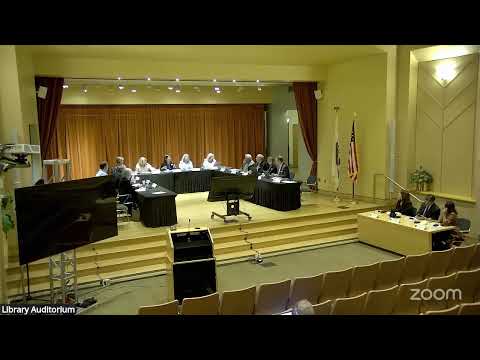
Tri‑City leaders weigh regional legislative program; Townsend offers $4,500/month support and unanimous goal to try a joint platform
Summary
Townsend Public Affairs presented a proposal for an ongoing La Mirinda regional advocacy effort (Orinda, Moraga, Lafayette). The firm outlined services and a proposed $4,500 monthly retainer split among the three jurisdictions. Elected officials largely expressed support but some towns requested more internal review before committing.
Townsend Public Affairs vice president Casey Elliott outlined a plan to create a La Mirinda regional legislative and funding advocacy platform and proposed a city‑shared retainer of $4,500 per month for ongoing state and federal advocacy services.
Elliott said the effort would be driven by a short list of shared priorities — suggested topics included wildfire prevention and recovery, regional transportation and insurance — and would coordinate state and federal lobbying, grant and earmark strategy, and messaging. "By collectively, you have a louder voice than you do individually," Elliott told the three councils.
The proposed services included bill tracking and positions, single‑letterhead regional letters for requests, development of sponsored bill concepts and authorship support, coordination of trips to Sacramento and Washington, D.C., and support for funding requests and grant applications. Elliott proposed a 12‑month engagement with a team approach: he would be the primary point of contact, supported by Townsend’s wider staff.
Reaction from the three councils
Most council members said the proposal deserved serious consideration. Vice Mayor Ellis (Moraga) and multiple members stressed that regional advocacy is necessary to capture scarce state and federal funds and to protect local feeder transit and emergency resources; Ellis warned that feeder services and BART operations are linked and urged coordination on transit advocacy. Council members from Orinda and Lafayette expressed support and called for quick startup planning, while Moraga council members said they needed to finalize their internal legislative platform before committing.
BART asked the joint body to include regional transit funding among priorities. Tanya Love, BART’s local government community relations representative, urged support for Senate Bill 63, a measure to authorize a sales tax option to fund transit operations.
Process and next steps discussed
City managers said they will coordinate internally and recommended a fall timeline to finalize shared priorities, with one council observing that establishing a legislative framework would allow staff to send positions under the regional header without returning the question to each council for every bill. Elliott said January is the strategic time to have priorities in place for the next legislative session; he also noted that limited late‑session engagement is possible but most impact is achieved when priorities and sponsored positions are ready at the start of the year.
No formal decision or contract was approved at the meeting. Elected officials asked staff to return with a recommended list of priorities and to discuss timing so the three cities could consider the proposed regional agreement and any changes to their separate Townsend contracts.