Alpine council removes dumpster resolution after residents press for road fixes
Loading...
Summary
After multiple residents described dangerous and deteriorating streets in Alpine Country Club Estates, the City Council voted unanimously to remove a resolution directing dumpsters to be moved and discussed acquiring an asphalt "zipper" to repair the neighborhood's roads.
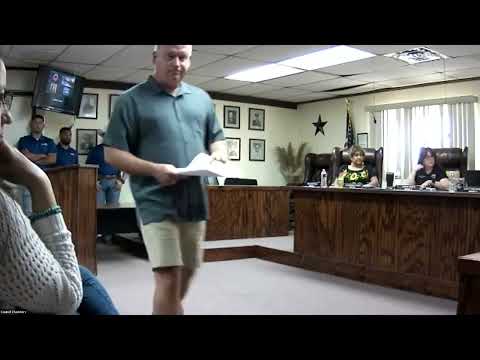
Alpine City Council members voted unanimously May 6 to remove from the agenda a resolution that would have directed dumpsters in Alpine Country Club Estates to be moved to the neighborhood entrance, after several residents urged the council to prioritize road repairs instead.
The Country Club Estates neighborhood drew repeated public comment at the meeting from residents who said the roads are deteriorated, that drainage is contributing to damage and that frequent heavy vehicles would further harm the street base. "I just don't want that to happen," Brent Freeland said, describing his concern that placing a row of dumpsters at the neighborhood entrance would invite dumping and other problems.
The removal of the dumpster item followed a series of neighborhood statements during the public-comment period. Steve Mills told the council the road "was not built to code when it was built" and raised emergency-response concerns. Sandra Whiting, who said she and her husband have lived in the neighborhood for more than 22 years, urged interim measures such as milling ahead of a full repair. Steve Lindsey said water runoff and poor drainage, not just trucks, have accelerated pavement failure in sections of Canova and Country Club Estates.
Council discussion focused on the technical options and timing. Councilmember Stevens summarized options discussed by staff and residents: limited milling of the main line, staged reconstruction of sections to preserve budget, and an in-place reclamation machine marketed as an "asphalt zipper" that can rework the road base and compact reclaimed material. Stevens said a demonstration of the zipper showed it could renew a block-size section in a day; staff estimated the city could receive the machine in June with first neighborhood use in July if financing and procurement moved forward.
Council did not adopt new policy at the meeting. Instead, members directed staff to continue short-term maintenance (pothole and patch work where feasible), to pursue equipment options that would reduce the full-rebuild cost, and to keep residents updated. The council earlier voted unanimously to authorize the city manager to complete financing for the asphalt zipper if the final financing terms matched or improved upon the proposal presented to the council (see separate article on that financing decision).
Residents asked the council for regular updates and warned that the neighborhood's condition poses safety and access problems for an older population. Councilmembers said staffing and competing capital needs constrain immediate full reconstructions but that new equipment and staged repairs could reduce recurring costs over time.
For now, formal direction from the council consisted of: removing the dumpster agenda item from consideration, continuing targeted patching and maintenance, and pursuing the zipper procurement and training so city crews can begin section-by-section reclamation once equipment is available.