Get Full Government Meeting Transcripts, Videos, & Alerts Forever!
Get email alerts on the Zoning topic
No spam. Unsubscribe anytime.
Roanoke council hears wide public comment on zoning reforms; members direct staff to study targeted amendments
Summary
Roanoke City Council fielded hours of public comment Aug. 4 on zoning changes adopted in 2024. Speakers voiced competing views on density, historic preservation and neighborhood input. Councilmembers agreed by consensus to ask staff and two councilmembers to develop options for amendments and to hold a workshop in early October.
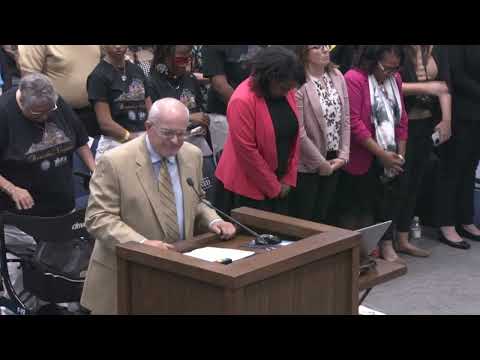
Roanoke City Council on Monday, Aug. 4, heard extended public testimony over a proposed restudy of the city’s 2024 zoning reforms and directed staff to develop targeted amendment options and public-notice changes for council review.
The discussion followed more than an hour of public comment in which neighborhood residents, preservation advocates and housing-policy groups argued sharply over whether the city’s revisions — which loosened restrictions that had limited most lots to one single-family house — should be rolled back, revised or retained.
The dispute matters because the zoning changes affect where duplexes, triplexes, accessory dwelling units and other “gentle density” housing can be built across Roanoke, and residents raised concerns about parking, narrow streets, demolition of older homes and a lack of neighborhood notification.
Several speakers urged the council to reverse or amend the 2024 ordinances. Jan Kuester, who said she was elected by the Old Southwest Inc. board to represent the neighborhood on zoning matters, asked the council to “review and revise our zoning ordinances” and to use the American Planning Association’s Equity and Zoning Policy Guide as part of that work. Dr. Anthony Stavola and Greater Diarley resident Lawrence Morgan said denser development had arrived in their neighborhoods without adequate notice and was harming neighborhood character.
Roanoke Valley Preservation Foundation executive director Lisonbee Blanton told the council that four houses on Richelieu Avenue had already been demolished under the new rules and warned that by‑right density could place redevelopment pressure on historic buildings. South Roanoke resident Diane Ziegler said of a short street where a builder could replace a single house with nine units: “This street can’t take all of this.”
Other speakers supported the reforms as a tool to expand housing options. Om Patel, representing Strong Towns Roanoke, said the reforms “don’t eliminate single‑family homes” but create options such as duplexes, townhomes and accessory dwelling units that can help older adults age in place and offer housing for caregivers, essential workers and younger households. Garrett Robinson, who said he works in affordable-housing nonprofits, argued mixed‑use zoning would allow more people to live near jobs and services.
Planning staff briefed council members on the outreach that accompanied the ordinance process. Planning Director (referred to in the meeting as) Miss Papa said staff held multiple rounds of in‑person and virtual meetings in 2023–24 (including six library‑branch open houses in the first round, six in the second, and additional community meetings in August 2024), produced an educational video and published a frequently asked‑questions page on the PlanRoanoke website. Papa told the council those efforts, plus social‑media and a yard‑sign campaign, produced more than 11,000 new users on the plan page and that staff counted more than 170 people participating across meetings and related engagements.
Council members debated how to respond. Several members said they were open to amendments but asked for sharper, narrower direction so staff resources are focused on the most consequential changes. Councilmember Nick Hagen introduced a council‑member initiative asking staff to study repeal or amendment scenarios; after a lengthy discussion the council reached consensus to ask staff to prepare options and to hold a workshop in the first council meeting in October to vet proposed changes.
Councilmembers Hagen and Boleson agreed to work with planning staff and community stakeholders to assemble draft amendment options ahead of the October workshop. City Manager Val Marie Turner and Planning Director Papa confirmed staff will provide legal and fiscal analysis alongside proposed ordinance language when possible.
What’s next: staff will return with options and explanatory materials; the council scheduled a workshop during the first meeting in October to consider proposed amendments and any changes to the city’s public‑notice processes.
The council did not vote to repeal the 2024 zoning ordinance during the Aug. 4 meeting; rather it directed staff to study options and return with recommended language and implementation steps.