Get Full Government Meeting Transcripts, Videos, & Alerts Forever!
Get email alerts on the School Budget topic
No spam. Unsubscribe anytime.
Budget committee approves amended proposed budget, sets permanent tax rate and $6.5M bond levy
Summary
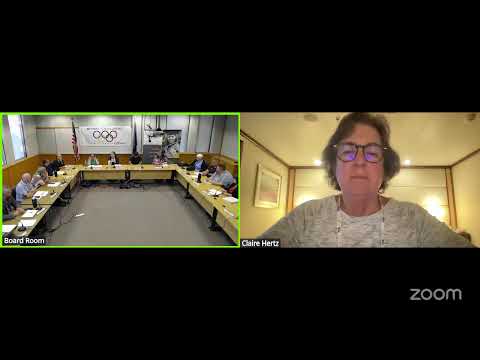
The Newberg Dundee Public Schools budget committee approved an amended proposed budget and set a permanent property tax rate of $4.6616 per $1,000 and a $6,500,000 debt-service levy during a budget committee meeting.
The Newberg Dundee Public Schools budget committee approved an amended proposed budget and set a permanent property tax rate of $4.6616 per $1,000 and a $6,500,000 debt-service levy during a budget committee meeting.
The budget committee’s action forwards the amended proposed budget to the full school board for adoption and establishes the tax and bond levies the district will ask local taxing authorities to collect. The committee spent the meeting reviewing assumptions behind the proposal, debating trade-offs such as furlough days versus increased class sizes, and requesting more detail on utilities, substitute staffing and transportation costs.
District staff presented the budget assumptions and proposed changes. District staff member Dave Parker summarized key assumptions used to build the proposed budget, including an assumed ending fund balance of about $850,000 (roughly 1 percent of the budget) and a target of about $1 million by the close of the 2025–26 fiscal year. Parker said the budget includes federal and state assumptions, an anticipated 4.5% contract increase in the transportation contract and that the district will apply to pull indirect costs from grants into the general fund this fall.
Parker noted several cost pressures built into the proposal: projected utility increases of roughly 8%–12% from providers; an estimated 17%–20% increase in general liability and property insurance that adds about $700,000 annually; and higher workers’ compensation costs driven by the district’s experience modifier. He told the committee that the budget also incorporates a 1.6-point PERS relief assumption tied to state action on Senate Bill 849 and that the district included that relief in the proposal.
Committee members pressed staff for more detail. Nate asked whether the narrative of assumptions was posted; staff replied that the narrative and links were available online. Committee member Kim asked about an apparent doubling of garbage budget lines on page 62; staff said the maintenance department aggregates several accounts and that utility responsibility for the new Dundee building moved from the contractor to the district after turnover (and the new Dundee building is all-electric, changing cost profiles).
On substitutes and staffing, Parker said substitute costs are trending toward just under $1 million year to date and the proposed budget keeps a similar level of capacity for substitutes. Parker estimated that a fully loaded district substitute FTE averages about $120,000 and that 10 in-district substitutes would cost roughly $1.2 million; he said contracted substitutes (through ESS) are used when needed and that the budget retains money for both contracted and in‑district coverage. A committee member asked staff to provide a line-item comparison showing the fully loaded cost of district-employed substitutes versus contracted substitution.
Committee discussion emphasized class-size trade-offs. Parker translated the six remaining furlough days included in the budget to an approximate cost of $1,600,000, which he said would equal about 12.4 licensed FTE or about 21 classified FTE and, if made up entirely with staffing reductions, would raise districtwide class sizes (he gave an illustrative increase to approximately 31.1 students per class in one scenario). Parker said, “If it’s less, I mean, we’ve cut this budget down to, there’s not much left to cut. So if it’s less, then we have to look at class size.”
The budget’s staffed class-size targets in the proposal are: roughly 21:1 in kindergarten–grade 3, 24:1 in grades 4–5, 26.5:1 in middle school and 25.75:1 in high school. Parker said the middle school schedule change to a seven-period day is expected to reduce class size by about one student per class. He also explained secondary scheduling dynamics (prep periods reduce the number of teachers available each period) when comparing average class sizes to the in-classroom experience.
Transportation and contracted services were also discussed. The district’s transportation vendor, First Student, has a contract escalation built into it (staff noted a 4.5% increase), and the district’s transportation expense per pupil places it about the 70th percentile statewide. Committee members asked staff to prepare a per-student cost analysis, route-count detail and comparisons with other districts to support future contract negotiations.
On revenue and risk, staff told the committee the proposal uses the governor’s budget as its state funding assumption and that final legislative numbers won’t be available until late spring; staff warned that if state funding comes in lower than assumed, the district would likely need to revisit class sizes or other cuts. Parker said furlough restoration would be the highest priority if additional revenue appears.
Committee members voted on three formal actions. The committee approved the amended proposed budget (voice vote), established the permanent tax levy rate at $4.6616 per $1,000 of assessed value and voted to levy $6,500,000 for debt service on the district’s 2021 general obligation bond. The committee also approved earlier minutes and amended the meeting agenda to allow public comment at that time. Staff said the next steps are a public budget hearing (scheduled for June 10) and then a board adoption meeting; after adoption the district will transmit levy and rate instructions to taxing authorities.
Committee members asked staff to return with more detailed follow-up before final adoption: an itemized explanation of the spike in particular utility and garbage lines, a detailed substitute cost comparison (in‑district fully loaded vs. contracted), a transportation per-student and route-level cost analysis, and an enrollment/permits-based projection study to inform the district’s September enrollment bubble planning.