Get Full Government Meeting Transcripts, Videos, & Alerts Forever!
Get email alerts on the County Budget topic
No spam. Unsubscribe anytime.
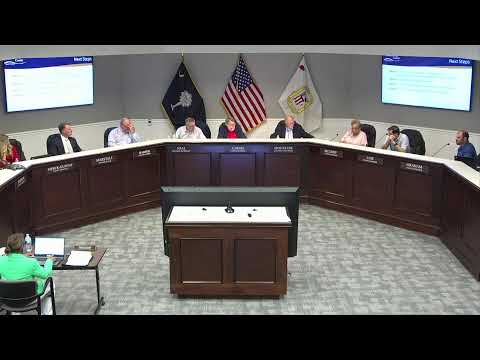
Lancaster County administrator proposes balanced FY26 budget with no millage increase, 5% across‑the‑board pay boost and $15 minimum wage
Summary
County administrator presented a FY26 budget recommendation that keeps the millage flat while proposing a 5% pay increase for staff, raises the county minimum to $15 an hour, funds 28 full‑time positions, and proposes one‑time fund balance appropriations for ERP software, public safety equipment and infrastructure projects.
Lancaster County Administrator Jose Marstel presented a proposed FY26 general fund budget that would hold the county millage flat while increasing operating spending by about $6.96 million and using roughly $6.9 million of expected growth rather than a millage increase.
The recommendation includes a 5% across‑the‑board pay increase for all full‑ and part‑time employees, raises the county minimum wage to $15 an hour, and funds 28 prioritized full‑time positions. It also lists $6.9 million of ongoing growth‑funded items and roughly $4.8 million of one‑time expenditures recommended to be covered from fund balance, including an enterprise resource planning (ERP) implementation, public safety equipment and facility upfits.
Marstel told the council the package aligns with the county’s strategic plan and council goals, and that the administrator’s proposal is constructed to avoid a millage increase by using expected growth dollars and fund balance appropriations. The presentation cited an audited unassigned general fund balance of roughly $55 million and an estimated year‑end fund balance near $54 million after interim appropriations and amendments.
Key budget components presented by staff include a proposed 5% salary adjustment for existing staff and inclusion of specific career‑ladder adjustments within some offices; funding for an additional attorney and law clerks in the public defender’s office; an estimated $1.8 million first‑year ERP implementation cost (presentation showed $1.48 million for software plus implementation/support); and a recommended increase in employer health insurance contribution costs (presented at about a 4.6% premium increase).
The administrator’s recommendation also calls out multiple one‑time fund balance appropriations: ERP software and implementation; repairs and roof replacements at EMS stations; replacement radios and sheriff patrol vehicle funding (partially from the capital replacement fund and partially from fund balance); engineering for the Bells Ridge trail study; and funds for the historical commission (a recommended $2,500 part‑time intern and a separate request for security cameras at the historic courthouse).
The proposal identifies other items for council consideration that were not included in the recommended package unless council chooses to add them: a pay‑for‑performance pool (~$400,000), full funding for 24/7 medical care at the new detention center (presented at about $910,000 annually), extending hours at convenience/solid‑waste sites (adding two days at six sites and 12 part‑time positions for roughly $175,000), and additional upfitting for the Elections Building including HVAC and fire‑suppression work (estimated to increase cost beyond initial projections). The county administrator and staff said the ERP vendor selection is at the intent‑to‑award stage and that the contract start would be contingent on the funding decision; staff said they anticipate a July 1 start if funded.
Council members and staff discussed next steps and calendar requirements for a reassessment year. Staff explained state rollback rules and noted the Department of Revenue provides allowable CPI and population increases; the presentation said the county can capture unused millage from the prior three years and that staff will compute final rollback millage values after auditor certification. Council set committee and reading dates to meet statutory notice windows and discussed whether to hold a special meeting May 14 to consider first reading or proceed with the published May 27 schedule.
The meeting closed with administrative directions: staff will provide follow‑up detail on the sheriff/Kershaw fire contract split, additional figures supporting fleet/elections upfit costs, a refined estimate for the Old Mill/old rail trail repairs, and more information on minimum‑wage compaction effects between $15 and higher pay bands. Council also asked staff to prepare additional information for a May 14 committee of the whole and to supply final millage calculations for first reading.