Get Full Government Meeting Transcripts, Videos, & Alerts Forever!
Get email alerts on the Settlement Enforcement topic
No spam. Unsubscribe anytime.
Judge to issue order after dispute over insurance affidavit in Lewis settlement
Summary
In a Clayton County State Court motions hearing, defense counsel asked the court to enforce an alleged settlement in a motor-vehicle claim; plaintiff's counsel opposed enforcement, arguing the insurer's affidavit did not meet the precise disclosure language in the demand. The judge reserved ruling and said the court would issue an order.
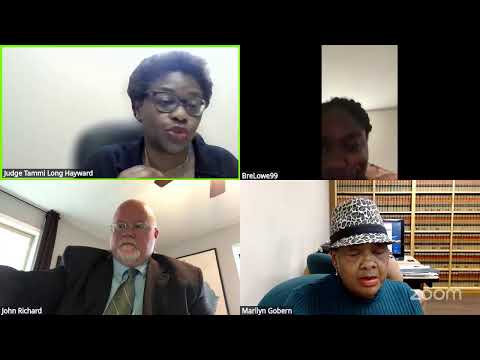
At a May 7, 2025 motions calendar in Clayton County State Court, Judge Tammy Long Hayward heard argument on a defendant's motion to enforce an alleged settlement in Angela Lewis v. Luis Vasquez, a motor-vehicle personal-injury case stemming from an accident on Dec. 7, 2022.
Defense attorney Jimmy Canela said the parties reached a settlement after plaintiff's counsel submitted a demand on March 20, 2023, and the defendant accepted that demand on April 10, 2023. Canela told the court he sent a check and an affidavit of no other coverage on April 18, 2023, and later followed up by email and phone when the plaintiff's release was not returned. "We would ask that the motion to enforce settlement be granted," Canela said, summarizing the defense position.
The dispute turned on statutory disclosure language and the wording of the insurer's affidavit. Plaintiff counsel, identified in the transcript as Miss Hassan, said the affidavit did not answer the demand's specific question — whether all liability and casualty insurance had been disclosed — and therefore did not constitute an unconditional acceptance of the offer. "Acceptance of the offer ... must be unconditional, identical, unequivocal, and without variance of any sort," Hassan argued, citing contract law and the demand language included in exhibit materials.
Canela replied that the affidavit, signed by a State Farm representative, identified the applicable policy and stated that the affiant did not know of any other policy that would cover the claim; he characterized that statement as providing the information the demand and the statute seek. He noted the policy identified in the affidavit carried limits of $25,000 and that plaintiff's prior counsel, Morgan & Morgan, had repeatedly told defense counsel the matter was settled before the plaintiff later fired that firm.
Hassan warned that the affidavit's phrasing — stating that the affiant did not "know of" other policies — left a potential loophole, and she said the demand and the statute required a clear statement that applicable policies had been disclosed. She asked the court to view the evidence in the light most favorable to the nonmoving party and to deny enforcement.
Judge Tammy Long Hayward did not issue an immediate on-the-record ruling. "The court will issue an order," she told counsel at the conclusion of argument.
Why it matters: The case illustrates how narrow statutory or demand language about insurer disclosures can become the focal point of settlement-enforcement litigation. The parties sharply disagreed whether the insurer's sworn statement met the demand's terms; the court's forthcoming written order will determine whether the defense may enforce the settlement as presented to Morgan & Morgan and later to new counsel.
What to expect next: The judge said she would prepare and issue a written order resolving the motion to enforce settlement; the transcript does not record the court's written ruling or any deadline for that order.