
Nash County approves plan to pursue electronic timekeeping and switch to biweekly pay
Get AI-powered insights, summaries, and transcripts
Sign Up Free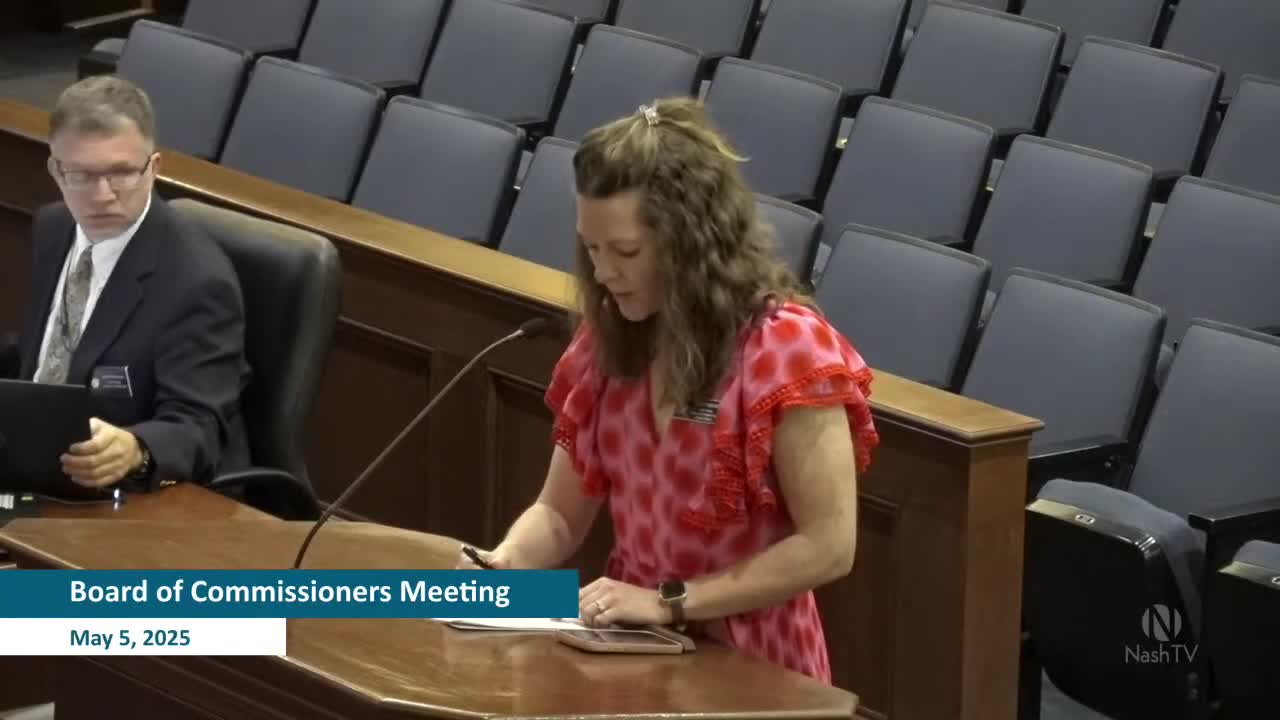
Summary
The commissioners approved staff’s recommendation to proceed with implementing an electronic timekeeping system and transition from monthly to biweekly pay, with a proposed education and implementation timetable to avoid hardship for employees.
The Nash County Board of Commissioners on May 5 approved staff’s recommendation to proceed with plans to implement an electronic timekeeping system and to transition county employees from monthly to biweekly pay.
Human resources director Tim Kerrigan told the board the move aims to increase payroll accuracy and efficiency. “Some of the expected benefits are better cash flow management for employees, payroll accuracy and simplicity, employee satisfaction and morale, improved budgeting and forecasting, and improved benefits administration,” Kerrigan said.
Kerrigan and finance staff emphasized the need for extensive employee education before the change; the proposed schedule calls for a February implementation that would require roughly seven months of outreach and testing. Kerrigan explained employees would receive two paychecks most months and that some pay dates in the transition period could fall earlier or later than current monthly expectations. To reduce hardship during the conversion, staff proposed allowing employees to use up to 80 hours of banked leave between February and May and providing repeated notices and departmental coaching.
Commissioners asked about data security and paper record retention. Kerrigan said electronic records would be more secure than paper and that employees could print or save digital copies for their records. He also noted some departments that use specialized schedules (for example solid‑waste or emergency services) could keep paper workflows internally and have a department designee enter data into the system.
The board voted to approve staff’s plan to proceed with vendor research, employee education and the biweekly-pay conversion schedule. Staff will return with vendor cost proposals and a detailed implementation plan for board review before purchases are finalized.
Ending: The board approved only a plan to proceed; staff will report back with vendor proposals, estimated implementation costs and the detailed timeline before any procurement or change in payroll systems is finalized.