Get Full Government Meeting Transcripts, Videos, & Alerts Forever!
Get email alerts on the Emergency Communications topic
No spam. Unsubscribe anytime.
Baltimore 9‑1‑1 center touts AI tools even as aging CAD system needs $13 million upgrade
Summary
Baltimore City’s 9‑1‑1 director told a City Council committee the call center has added real‑time transcription, translation and AI triage tools but continues to rely on a 13 million dollar, more than decade‑old CAD system that causes outages and manual workarounds.
Baltimore City’s 9‑1‑1 director told the City Council Public Safety Committee that 9‑1‑1 has deployed “real time call transcription and translation services” and other AI tools to speed call handling, even as the center relies on an aging computer‑aided dispatch (CAD) system that officials say needs replacement.
Tanya Reddick, director of 9‑1‑1 and fire communications, told the committee the center now displays live, word‑by‑word transcriptions on call‑taker screens and can activate translation “bots” for non‑English callers. Reddick said the tools reduce the need to replay recordings and can be used on radio dispatch channels to capture missed words during large incidents.
Reddick and other department officials described the CAD system as a critical bottleneck. She said the CAD is roughly 13–14 years old and “we have not” updated it on schedule. The department, which uses the VESTA phone platform (updated in 2024), reported intermittent CAD outages that can last from one minute to several hours and require staff to hand‑write incoming calls and physically deliver them to dispatch units.
Committee members pressed for a procurement timeline and cost estimate. Officials said a prior procurement discussion produced widely varying figures; the most recent, department‑level estimate cited to the committee was about $13 million for a full build‑out and implementation. Department leaders said even after a purchase the implementation and build‑out could take two years.
Committee members also discussed near‑term fixes and alternatives. Reddick said the city is finalizing a nurse‑triage contract to screen low‑acuity, non‑emergency calls; the program would route certain callers to nurses or telemedicine resources instead of sending an ambulance immediately. Reddick described an ongoing RFP process and said the city is near the final stages of selection.
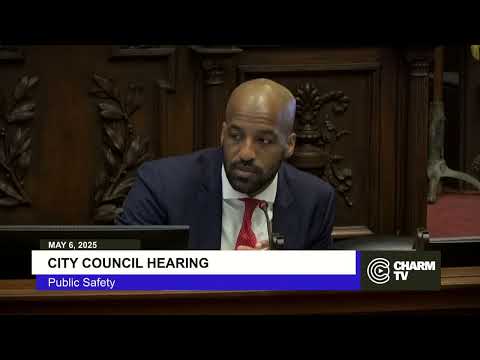
Chair Mark Conway said committee staff would request an update from the administration on procurement next steps and a timeline for implementation.
Ending: Committee members asked the administration for a written update on CAD procurement progress and the nurse‑triage rollout ahead of the next budget cycle.