Get Full Government Meeting Transcripts, Videos, & Alerts Forever!
Get email alerts on the Transgender Athletes Usa Fencing topic
No spam. Unsubscribe anytime.
House Oversight Subcommittee grills USA Fencing on transgender participation as partisan rift over jurisdiction intensifies
Summary
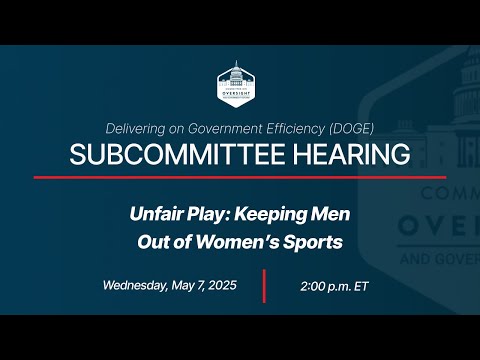
House Oversight and Reform subcommittee members held a three‑hour hearing that centered on USA Fencing’s policy for transgender athletes in women’s events and broader questions about the committee’s jurisdiction.
House Oversight and Reform subcommittee members held a three‑hour hearing that centered on USA Fencing’s policy for transgender athletes in women’s events and broader questions about the committee’s jurisdiction.
The hearing foregrounded testimony from two women athletes who said they lost opportunities or were physically harmed after competing against biological men. Stephanie Turner, a competitive fencer, told lawmakers that "each time a man competes in the women's category ... it removes fair sport and takes opportunities from women." Peyton McNabb testified that on Sept. 1, 2022, "the force of the ball knocked me down unconscious" and that doctors diagnosed a traumatic brain injury and a brain bleed after a spike during a high‑school volleyball game.
The USA Fencing board chair, Damien LaFeldt, appeared under subpoena and described the organization as a national governing body (NGB) that must consider international federation rules and the Ted Stevens Amateur Sports Act when setting eligibility. LaFeldt testified that USA Fencing "is governed by the Ted Stevens Act" and said the federation had adopted a contingent transgender participation policy and would amend requirements if laws or international standards changed. Fatima Goss Graves, president and CEO of the National Women's Law Center, told the committee that "transgender women do not pose a threat to women's sports." She urged care in federal policy and warned that attacks on transgender people lead to real‑world harms.
Members disagreed sharply about the panel’s purpose. Ranking Member Stansbury moved to adjourn immediately, arguing the hearing "has absolutely nothing to do with the oversight committee" and calling the session a political spectacle. The chair, Representative Greene (chair of the subcommittee), framed the hearing as a Title IX and safety issue and pressed LaFeldt about USA Fencing’s site‑selection and social‑media practices. A recorded roll call on Stansbury’s motion produced a tally the clerk reported as the noes 7, the ayes 6, and the motion failed.
The committee took several formal steps during the hearing: Chairman Comer referred responsibility for matters regarding USA Fencing to the subcommittee under committee rule 6(a)(2); the panel subpoenaed LaFeldt to compel his testimony; and the clerk swore witnesses and took an on‑the‑record roll call for the adjournment motion. Several members from both parties pressed witnesses on factual points—LaFeldt on USA Fencing’s membership data and on why the federation uses site‑selection criteria that consider state abortion and LGBTQ policy environments; civil‑rights advocates on the effects of reducing enforcement capacity for Title IX complaints.
The hearing mixed personal testimony and legal questions. Witnesses and members cited Title IX, the Ted Stevens Amateur Sports Act, IOC and FIE guidance, President Trump’s executive order referenced in testimony as an action "keeping men out of women's sports," and a United Nations report cited by multiple members claiming thousands of lost medals to male competitors in women's categories. LaFeldt told the committee USA Fencing does not currently receive federal funding and said his organization consulted legal counsel about international federation limits when crafting its participation policy.
The hearing closed with partisan closing statements and an instruction that members have five legislative days to submit additional materials and questions for the record. No bill, regulation, or enforcement action was adopted during the hearing.
Ending: The subcommittee did not resolve the policy differences and left open potential next steps, including congressional changes to the Ted Stevens Act or additional oversight of NGB practices. Members on both sides signaled they will continue to press the issue in future hearings or legislative proposals.