Get Full Government Meeting Transcripts, Videos, & Alerts Forever!
Get email alerts on the City Budget topic
No spam. Unsubscribe anytime.
Memphis CFO warns of $14 million shortfall, urges hiring freeze and overtime cuts
Summary
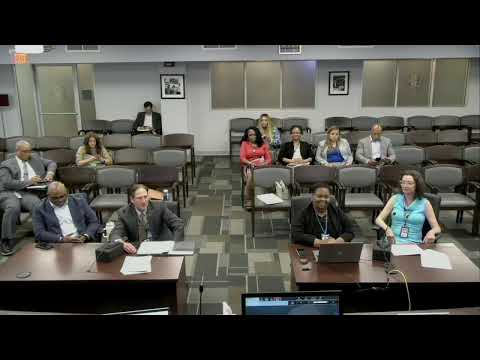
Walter Person, chief financial officer for the City of Memphis, told the Budget Committee on May 5 that the city faces roughly a $14 million shortfall in FY25 that risks leaving the city starting FY26 in a deficit position.
Walter Person, chief financial officer for the City of Memphis, told the Budget Committee on May 5 that the city is facing a tighter fiscal year than expected and “we're looking at about a $14,000,000 gap right now as we sit today.” The shortfall reflects slower state-shared and local sales-tax receipts, lagging collections on a doubled vehicle-registration fee and a series of FY24 and FY25 expenses that reduced fund balance.
The gap follows a year in which the city recorded an almost $74 million impact to fund balance after FY24 close and then adopted steps last year — including a 49-cent property tax increase and a higher vehicle-registration fee — that together were expected to add roughly $90.3 million to revenues. Person said the administration now projects a tighter picture, leaving the city to consider near-term measures to avoid starting FY26 in a deficit position.
Person described the main revenue and cost drivers that produced the situation. On revenues, he cited declines in state sales-tax receipts and local sales taxes (including behavior such as lower beer excise receipts and reduced concessions after relinquishing some stadium concession rights). On costs, the largest drivers were full-time salary increases (including prior negotiated raises for public safety), pension ADC charges and higher claims and health-care costs. Person said, “full time salaries...had to increase this year even in the face of trying to maintain a flat budget,” and he pointed to public-safety pay increases granted in prior impasse actions.
Committee members pressed finance for more detail. Councilman Green asked whether the city’s recent vehicle-registration fee delay cost the city revenue; Person said the revenue projection for the doubled fee is trending toward $16 million but that timing of collections created a shortfall of roughly $10 million as the fiscal year closed. Vice Chair Washington asked whether the projected FY25 gap would mean the city begins FY26 in deficit; Person said, “If that carries through, yes, we will be starting in a deficit position going into FY26.”
To narrow the gap, finance proposed immediate constraints: a hiring freeze (excluding first responders), promotion freezes for non‑public‑safety positions, targeted overtime reductions and tighter controls on part-time and temporary hires. Person said the city already is pressing first responders and other divisions to reduce overtime, and that departments are being asked to identify further reductions and revenue opportunities such as ambulance service fees, improved cash-management returns and right‑sizing professional services.
The administration also urged caution about the consequences of depleting fund balance. Person recapped the city’s target amounts: current unreserved fund balance was roughly $91 million; the administration expects to need at least $88 million (about 10% of the budget) to remain prudent, while the state recommends a roughly two‑month operating reserve (not a legal requirement) near $47 million. He warned that dipping below those levels can invite greater scrutiny from rating agencies and raise borrowing costs.
Discussion at the meeting made clear the council expects detail on where recent tax and fee increases were spent. Person offered to provide a breakdown showing the major FY24 and FY25 variances — items such as MATA support, a Grizzlies shortfall agreement and personnel- and claims‑related costs — and council members asked for those figures to use when answering constituent questions.
Ending: Council members and finance agreed to pursue a mix of immediate actions (hiring and overtime restrictions, fee reviews and monthly grant-reimbursement processing) while preparing a fuller, itemized reconciliation of FY24–FY25 variances for the committee. The city’s final FY25 close and any additional revenue that materializes in the last weeks of the fiscal year could narrow the gap, but finance warned the outlook remains constrained.